The EU Packaging and Packaging Waste Regulation (PPWR), entering into force in stages from 2025–2030, is reshaping every packaging decision in Europe. Meanwhile, consumer surveys consistently show 70%+ of shoppers claim to prefer sustainable packaging, with growing evidence they'll pay a premium for it.
Key 2026 Regulatory Drivers
EU Packaging Regulation (PPWR)
- By 2030: All packaging must be recyclable
- Contact-sensitive plastic packaging must contain minimum 10% recycled content
- Single-use plastic packaging restricted
- Extended Producer Responsibility (EPR) fees apply across all EU member states
UK Plastic Packaging Tax
£217.30 per tonne on plastic packaging with less than 30% recycled content (from April 2024 onwards).
Material Trends We're Designing For
Mono-Material Structures
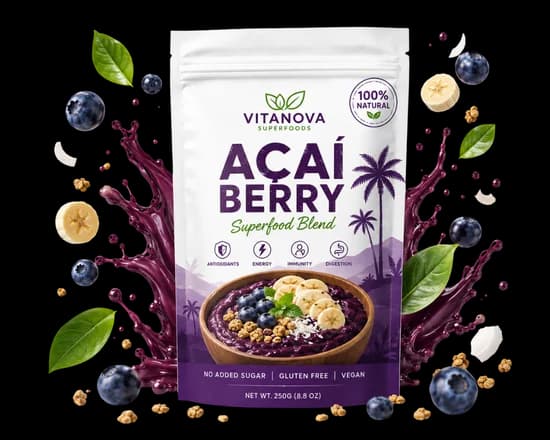
Recyclable flexible pouches made from a single polymer (PE or PP) rather than laminated multi-layer structures. Now printable with surface-printing techniques that achieve premium finishes.
Paper-Based Flexible Packaging
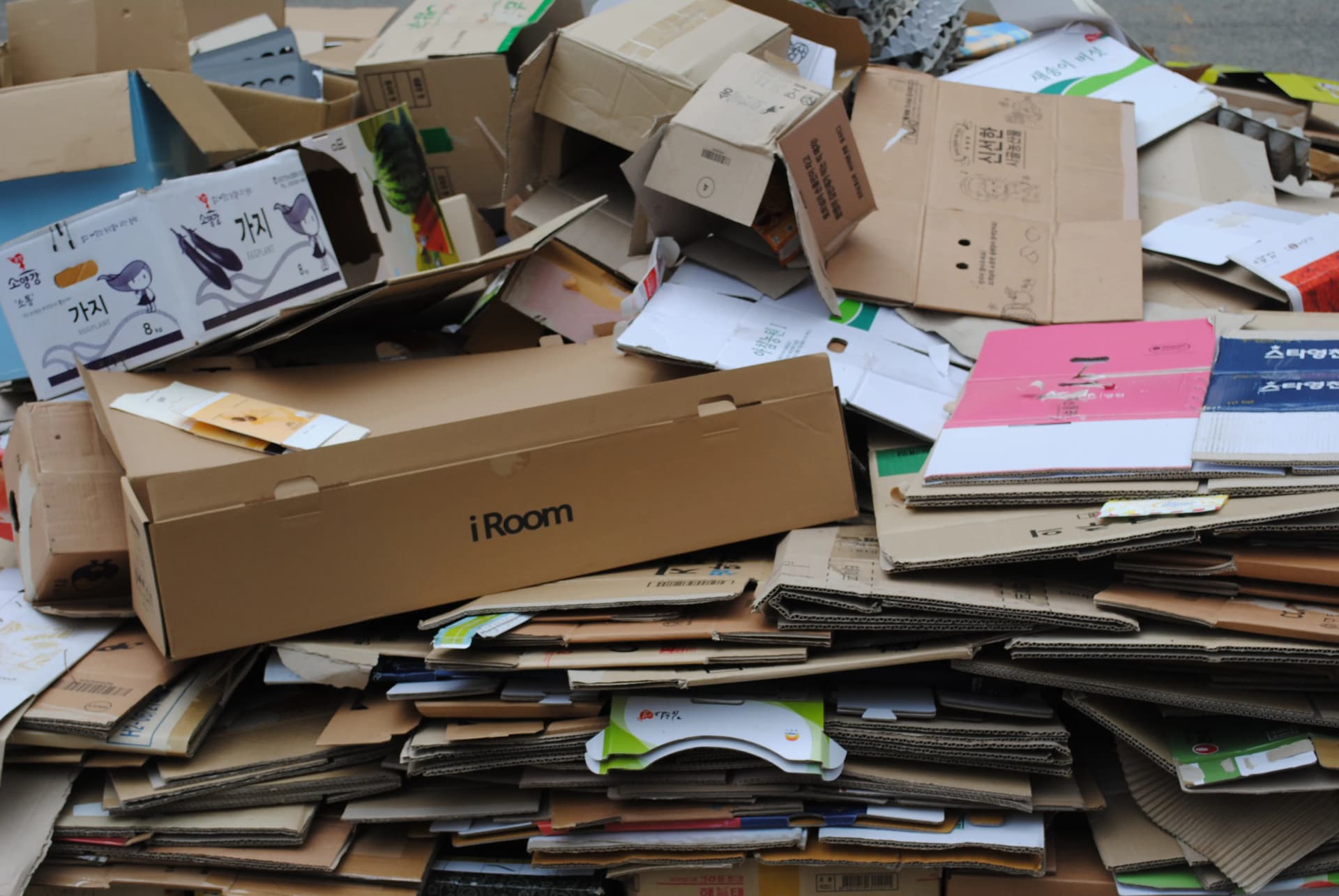
Advances in paper-based barriers now make paper pouches viable for many dry food applications. Kraft and bleached paper pouches with embedded barriers are increasingly shelf-ready.
Reduced Plastic Weight
Source reduction, thinner walls, reduced overcrowding, reduces plastic volume and EPR fees while often creating leaner, more contemporary pack aesthetics.
Compostable Films
EN 13432-certified compostable films are gaining traction in premium organic food. Note: home compostable vs. industrial compostable, communicate clearly on pack.
Design Implications
Sustainable packaging constraints actually create excellent design opportunities:
- Mono-material white PE creates a clean canvas for print
- Kraft and paper aesthetics align naturally with natural/organic positioning
- Reduced footprint packaging often creates sleeker, more premium visual form factors
The brands winning in sustainable packaging are those treating it as a brand advantage to communicate, not a compliance burden to hide.
 Chat on WhatsApp