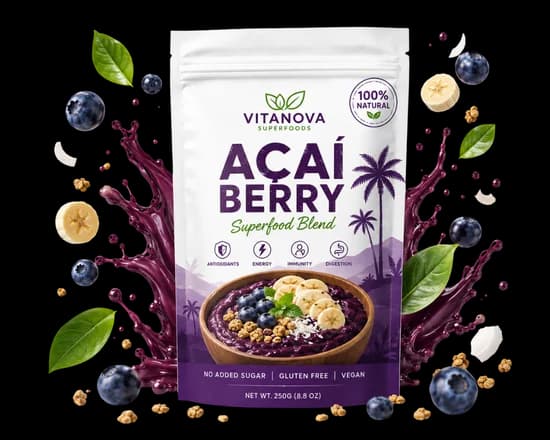
The Netherlands is a European trade hub and the gateway to EU markets. Amsterdam and Rotterdam host major international brands with high standards for sustainable, compliant, and innovative packaging design.
Key Industries Driving Packaging Demand in Netherlands
Dutch industry combines FMCG scale with logistics reach: Heineken (headquartered in Amsterdam, brewing in more than 190 countries) and dairy cooperative FrieslandCampina (headquartered in Amersfoort, one of the world's five largest dairy groups) anchor a food and beverage sector that doubles as Europe's packaging and import/export hub through the Port of Rotterdam, the largest port in Europe. Horticulture is a signature export industry: Royal FloraHolland's Aalsmeer flower auction, the world's largest, moves tens of millions of flowers a day and drives strong demand for retail-ready floral and plant packaging. Rotterdam and Amsterdam host most FMCG, food-tech, and logistics branding work, while Utrecht and The Hague add corporate and life-sciences briefs; sustainability-led design, recyclable formats, deposit-return-compliant packaging, and PPWR-ready materials, is now a baseline market expectation rather than a differentiator.
Packaging Regulations in Netherlands
As an EU member state, the Netherlands applies EU law directly rather than through separate domestic transposition. The Food Information to Consumers Regulation (EU) 1169/2011 governs nutrition and allergen labelling, and the Cosmetics Regulation (EC) 1223/2009 governs cosmetic ingredient and claims labelling; the NVWA (Nederlandse Voedsel- en Warenautoriteit, the Netherlands Food and Consumer Product Safety Authority) enforces both domestically. The most consequential recent change for packaging design is the EU Packaging and Packaging Waste Regulation (Regulation (EU) 2025/40, 'PPWR'), which entered into force on 11 February 2025 and applies from 12 August 2026, replacing the old Packaging and Packaging Waste Directive with directly binding rules on recyclability, minimum recycled content, and restrictions on unnecessary packaging formats. Beverage packaging must also carry the correct statiegeld (deposit) marking under the Dutch deposit-return scheme, which expanded on 1 April 2023 to cover small plastic bottles and metal cans up to three litres alongside large plastic bottles. Nutri-Score front-of-pack nutrition labelling has been officially permitted, on a voluntary basis, on Dutch food packaging since 1 January 2024.
What Print-Ready Files Look Like for Netherlands Distribution
All Awais Khadim deliverables for Netherlands clients include:
- Dielines and cut files: Every structural format, labels, cartons, pouches, mailer boxes, includes the dieline or cut path alongside the artwork file.
- CMYK-configured artwork: Set up for offset, flexographic, or digital print as appropriate to the project and print supplier.
- Pantone specifications: Brand colours specified in both the Pantone C/U variant (for ink specification) and CMYK (for digital proofing and suppliers without Pantone capability).
- Print-ready PDF: PDF/X-1a or PDF/X-4, with all fonts embedded and bleed and crop marks correctly set.
- € pricing: All projects quoted in EUR, with clear scope and revision round specifications included.
- Language-compliant source files: Text layers are editable in the source files and configured for Netherlands's mandatory label language requirements, copy updates, new regulatory statements, or bilingual text additions can be made without rebuilding the design.
View packaging portfolio → | Start a project →
Working with Awais Khadim for Netherlands Brands
Awais Khadim has delivered packaging, label design, and brand identity for brands across the Netherlands market and the wider region. What this means practically:
- Regulation-aware files: Label requirements, mandatory declarations, and compliance-specific typography are built into the source file at brief stage, not retrofitted at the end.
- Print-ready output: All deliverables include dielines, CMYK-configured artwork, Pantone colour specifications, and PDF/X-1a or PDF/X-4 print-ready exports.
- € pricing and transparent quotes: All projects are quoted in EUR with clear scope, revision rounds, and file format specifications included.
- Service categories: Product packaging (food, supplements, cosmetics, e-commerce), label and sticker design, box and pouch packaging, brand identity systems.
View packaging portfolio → | Start a project →
Frequently Asked Questions
Is Dutch mandatory on product labels sold in the Netherlands?
Yes. EU Regulation 1169/2011 (EU FIC) requires that food labeling be provided in a language easily understood by consumers in the country of sale. For the Dutch domestic market, this means Dutch, both mandatory information (ingredient lists, allergens, net quantity, date marking) and any nutrition or health claims must appear in Dutch. English-only packaging is not compliant for Dutch retail distribution.
What is the Dutch UPV and how does it affect packaging design?
The Dutch UPV (Uitgebreide Producerenverwantwoordelijkheid voor verpakkingen) requires producers and importers placing more than 50 kg of packaging on the Dutch market per year to register with the Afvalfonds Verpakkingen and pay into the producer responsibility system. Packaging material choices directly affect the fees paid, plastics carry higher fees than glass, paper, or cardboard. Designing for recyclability (mono-material structures, avoiding mixed materials) reduces your UPV fee tier.
Does the EU PPWR affect packaging I sell in the Netherlands from August 2026?
Yes. The EU Packaging and Packaging Waste Regulation (Regulation (EU) 2025/40) entered into force in February 2025 and applies from August 12, 2026, replacing the old Packaging Waste Directive with directly binding rules on recyclability standards, minimum recycled content thresholds, and restrictions on certain packaging formats. As an EU member state, the Netherlands applies PPWR directly without separate national transposition.
Content accurate as of July 2026. Regulatory requirements change, always verify current requirements with a qualified local compliance advisor before finalizing production files.
 Chat on WhatsApp