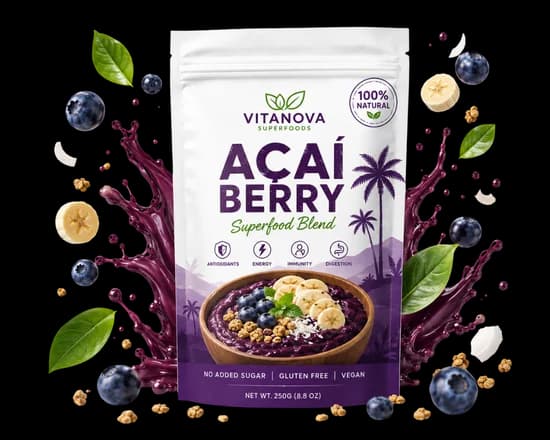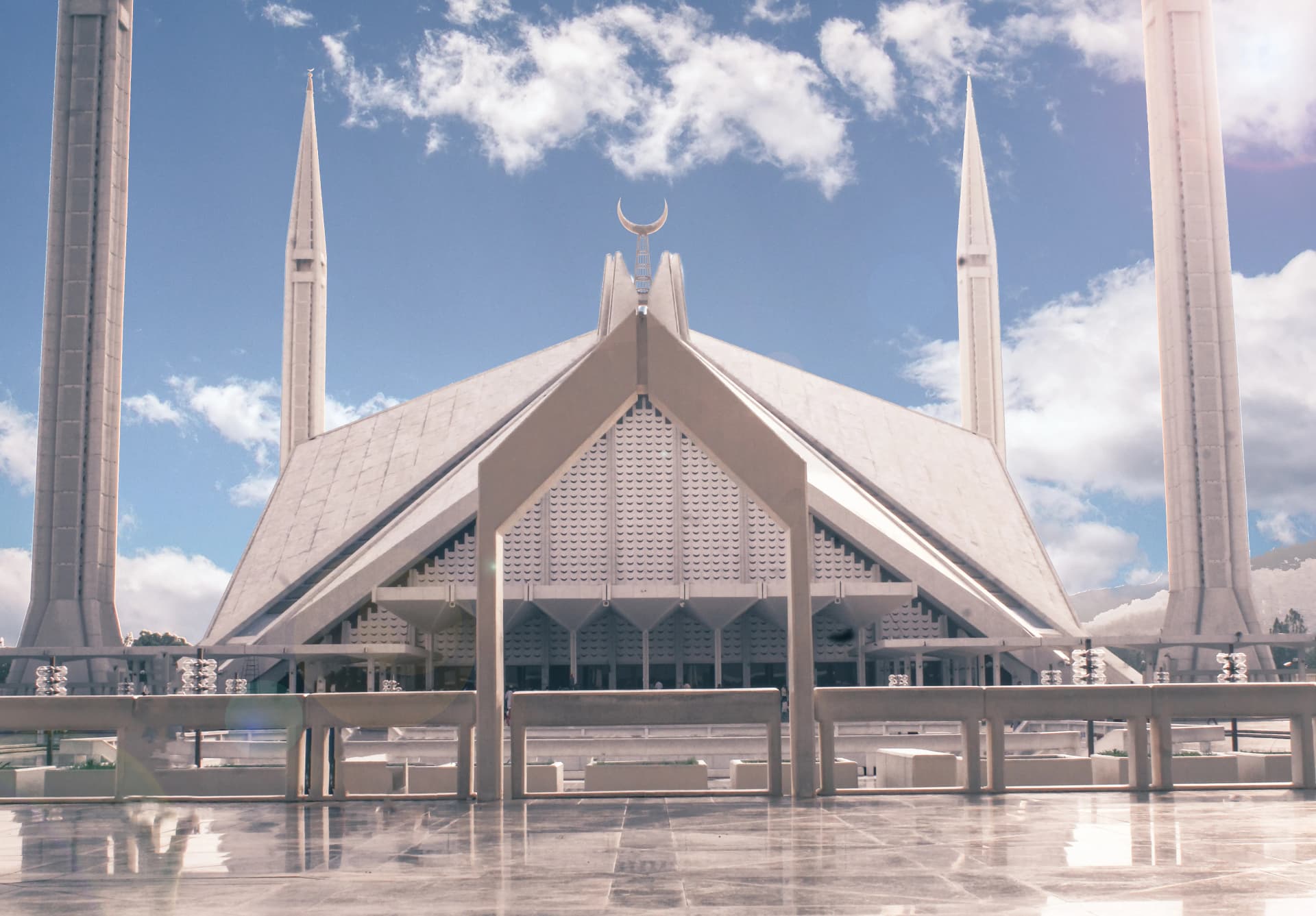
Pakistan is a rapidly growing consumer market with a booming FMCG sector. From Karachi's commercial hub to Lahore's fashion and food industry, Pakistani brands increasingly demand professional design that competes globally.
Key Industries Driving Packaging Demand in Pakistan
Pakistan's design and packaging demand tracks its export-manufacturing base: FMCG (Nestlé Pakistan, National Foods, Shan Foods, and the FrieslandCampina-Engro dairy venture behind Olpers and Tarang), pharmaceuticals (GSK Pakistan runs three Karachi plants producing brands like Augmentin and Amoxil, alongside local majors Getz Pharma and The Searle Company), and textiles, where Faisalabad, the 'Manchester of Pakistan', generates roughly a fifth of the country's export revenue from yarn, fabric and garments. Sialkot anchors a specialist manufacturing cluster exporting around $180 million a year in surgical and dental instruments and supplying an estimated 70% of the world's hand-stitched footballs through its sports-goods sector. Demand for professional packaging and brand design is concentrated in Karachi (FMCG and pharma head offices, the country's main port), Lahore (fashion, food brands, publishing), and the Faisalabad-Sialkot export corridor, where manufacturers increasingly need internationally credible branding to win buyers in the US, EU, and Gulf.
Packaging Regulations in Pakistan
Pakistan Standards and Quality Control Authority (PSQCA), established under Act VI of 1996, issues the mandatory Pakistan Standard (PS) certification marks required for a defined list of goods, including packaged food and packaging materials. Pharmaceutical packaging falls under the Drug Regulatory Authority of Pakistan (DRAP) and the Drugs (Labelling and Packing) Rules, 1986; S.R.O. 470(I)/2017 made barcode labelling mandatory, and DRAP has set an October 2026 deadline for manufacturers and importers to move to full 2D Data Matrix serialization so patients can verify medicines by scanning the pack. Food safety and labelling were devolved to the provinces under the 18th Constitutional Amendment, so compliance runs through the Punjab Food Authority, Sindh Food Authority, and their KP and Balochistan equivalents, which can reject or destroy shipments carrying false or misleading labels (Sindh's food law sets penalties of up to six months' imprisonment plus a PKR 1 million fine for misleading labelling). Halal claims require Pakistan Halal Authority certification against standard PS 4992:2010, covering raw materials, processing and packaging lines. Export-bound goods must also satisfy the destination market's own rules, REACH and OEKO-TEX for EU-bound textiles, FDA and EU labelling standards for food exports.
What Print-Ready Files Look Like for Pakistan Distribution
All Awais Khadim deliverables for Pakistan clients include:
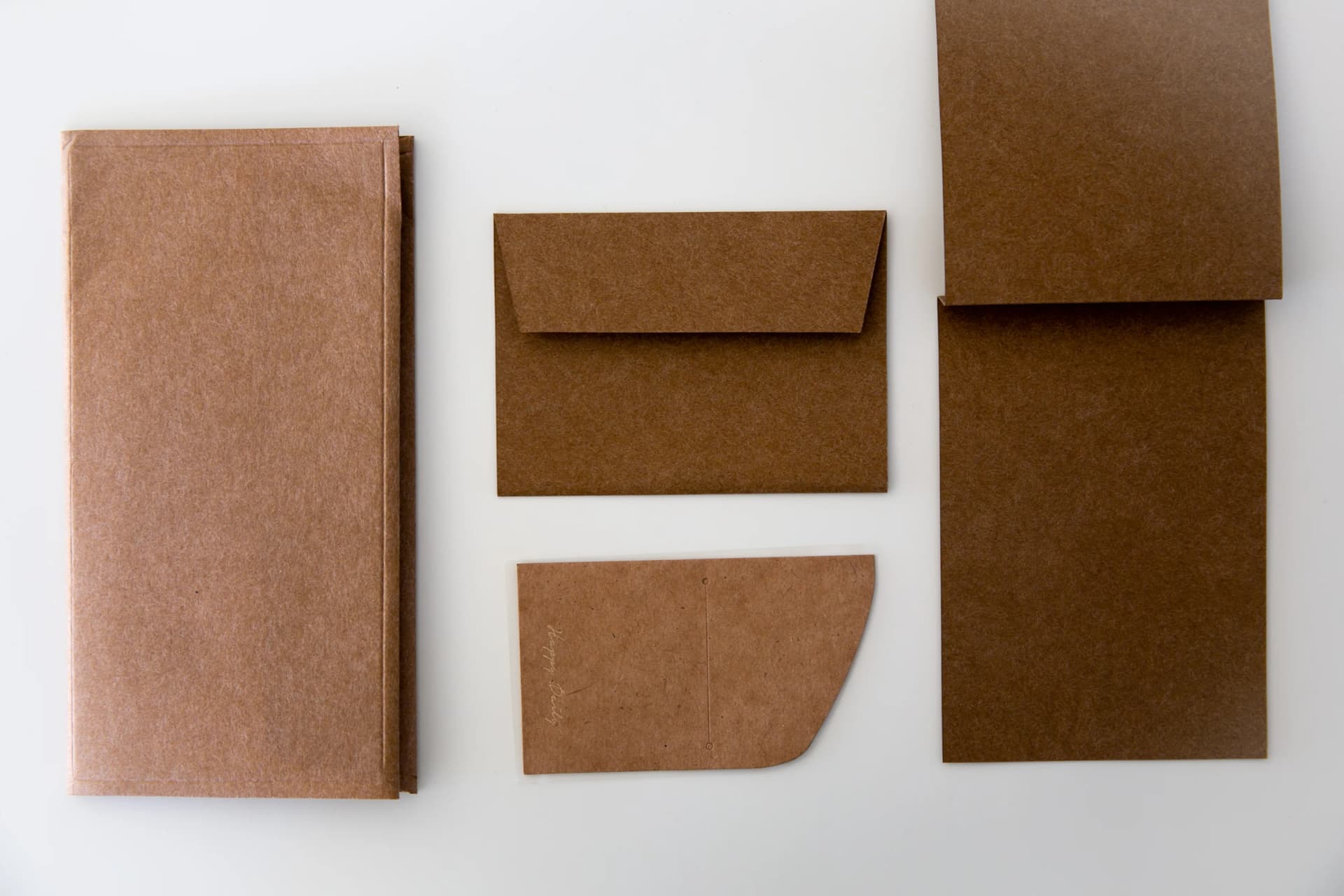
- Dielines and cut files: Every structural format, labels, cartons, pouches, mailer boxes, includes the dieline or cut path alongside the artwork file.
- CMYK-configured artwork: Set up for offset, flexographic, or digital print as appropriate to the project and print supplier.
- Pantone specifications: Brand colours specified in both the Pantone C/U variant (for ink specification) and CMYK (for digital proofing and suppliers without Pantone capability).
- Print-ready PDF: PDF/X-1a or PDF/X-4, with all fonts embedded and bleed and crop marks correctly set.
- ₨ pricing: All projects quoted in PKR, with clear scope and revision round specifications included.
- Language-compliant source files: Text layers are editable in the source files and configured for Pakistan's mandatory label language requirements, copy updates, new regulatory statements, or bilingual text additions can be made without rebuilding the design.
View packaging portfolio → | Start a project →
Working with Awais Khadim for Pakistan Brands
Awais Khadim is Pakistan-headquartered, with an active client base across Karachi, Lahore, and Islamabad. Our domestic portfolio spans FMCG packaging, supplement labels, and product documentation, all in print-ready Urdu/English bilingual format, configured for offset and flexographic presses used by Pakistani packaging suppliers.
Awais Khadim has delivered packaging, label design, and brand identity for brands across the Pakistan market and the wider region. What this means practically:
- Regulation-aware files: Label requirements, mandatory declarations, and compliance-specific typography are built into the source file at brief stage, not retrofitted at the end.
- Print-ready output: All deliverables include dielines, CMYK-configured artwork, Pantone colour specifications, and PDF/X-1a or PDF/X-4 print-ready exports.
- ₨ pricing and transparent quotes: All projects are quoted in PKR with clear scope, revision rounds, and file format specifications included.
- Service categories: Product packaging (food, supplements, cosmetics, e-commerce), label and sticker design, box and pouch packaging, brand identity systems.
View packaging portfolio → | Start a project →
Frequently Asked Questions
What language is required on Pakistani consumer product labels?
Urdu is mandatory on all consumer product labels under PSQCA standards. Bilingual Urdu/English packs are the commercial standard for FMCG, supplements, and cosmetics sold nationally, particularly for brands targeting premium or export markets. Right-to-left Urdu typography must be correctly set using Nastaliq or Naskh script; labels using poorly rendered Urdu text are frequently flagged by the Punjab Food Authority and Sindh Food Authority inspectors.
Who regulates food and cosmetics labeling in Pakistan?
Food labeling is primarily regulated by the Pakistan Standards and Quality Control Authority (PSQCA) and, for food supplements and pharmaceutical products, by the Drug Regulatory Authority Pakistan (DRAP). Cosmetics regulation also falls under DRAP. At provincial level, the Punjab Food Authority (PFA) and Sindh Food Authority (SFA) actively enforce standards in their respective regions and can reject, seize, or destroy non-compliant stock. PSQCA product certification is mandatory before sale in certain regulated food categories.
Can Awais Khadim handle Urdu typography and local print specifications?
Yes. Awais Khadim is based in Pakistan and works directly with local printers in Karachi, Lahore, and Islamabad. All deliverables include print-ready files configured for offset and flexographic presses used by Pakistani packaging suppliers. Urdu typography, including Nastaliq and Naskh script and right-to-left text flow, is handled natively, with source files structured so Urdu and English copy can be updated independently without rebuilding the layout.
Content accurate as of July 2026. Regulatory requirements change, always verify current requirements with a qualified local compliance advisor before finalizing production files.

 Chat on WhatsApp