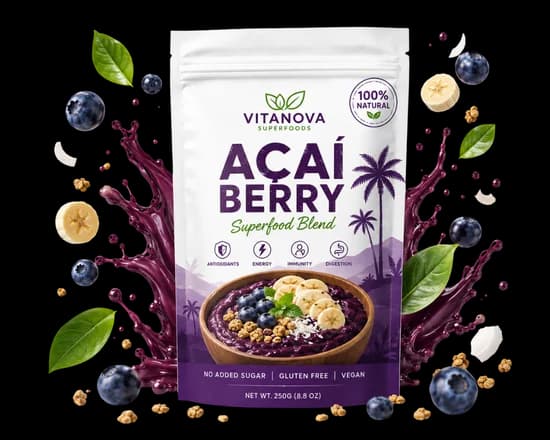
Florida's economy spans tourism, hospitality, healthcare, and a rapidly expanding e-commerce sector, with Miami functioning as one of the most significant import and export gateways in the US, particularly for goods moving between North America and Latin America. The state's consumer market is distinctively multicultural: Miami-Dade County has a majority Hispanic population, and bilingual English/Spanish packaging is a commercial standard for FMCG brands seeking meaningful distribution across South Florida's grocery chains, bodegas, and specialty food retailers.
Florida's primary packaging compliance framework is federal, FDA and USDA labeling requirements apply, including Nutrition Facts panels, allergen declarations under the FASTER Act, and MoCRA Responsible Person requirements for cosmetics. Florida does not have a Prop 65-equivalent state disclosure requirement. The Florida Deceptive and Unfair Trade Practices Act (FDUTPA) applies to false or misleading packaging claims and is actively enforced. For brands importing goods through Miami's port, FDA's entry review process checks label compliance at the point of entry, non-compliant products can be detained or refused, making port-entry label compliance a supply chain risk, not just a regulatory formality.
Miami's role as an import gateway creates specific packaging needs: brands shipping consumer goods from Latin America into the US market must ensure English-language mandatory information is present alongside any Spanish copy, and product labels must meet FDA format requirements for the US market rather than the origin country's standard. South Florida's retail landscape, from Publix and Winn-Dixie to Latin American specialty chains, rewards bilingual packaging that travels across both US Hispanic retail channels and Latin American export markets simultaneously.
United States Packaging Regulations Relevant to Your Miami Brand
FDA rules remain the foundation: 21 CFR Part 101 governs food labeling (Nutrition Facts, ingredient declarations, and claims), Part 111 sets the manufacturing practice dietary supplements must follow when they're manufactured, packaged, labeled, and held, and Parts 700-701 cover cosmetic labeling, including ingredient panels and required warnings. The 2022 Modernization of Cosmetics Regulation Act (MoCRA) added new obligations for beauty clients: facilities had to register with the FDA and list products by December 29, 2023 (renewing every two years), and since December 29, 2024 every cosmetic label must carry a US domestic address, phone number, or URL for the 'Responsible Person'; a further MoCRA rule on fragrance-allergen disclosure is still pending, with a proposed rule expected in 2026. Food packaging has to track the FASTER Act, which made sesame the ninth federally recognized major allergen from January 1, 2023, and the USDA National Organic Program, which reserves the USDA seal for products at least 95% organic and requires a 'certified organic by ___' statement. For the full regulatory picture for your product category, see our United States packaging market guide.
Working with Awais Khadim for Miami Brands
Awais Khadim delivers packaging and label design for brands across the United States market, including Miami-based clients. What this means practically:
- Regulation-aware files: United States packaging requirements, mandatory declarations, language compliance, and product-category-specific standards, are built into the source file from brief stage.
- Print-ready output: Dielines, CMYK artwork, Pantone colour specifications, and PDF/X-1a or PDF/X-4 exports for Miami print suppliers.
- $ pricing: All projects quoted in USD with clear scope and revision specifications.
- Service categories: Product packaging, label and sticker design, box and pouch packaging, brand identity systems.
View packaging portfolio → | Start a project →
Frequently Asked Questions
Does packaging sold in Miami need to be in Spanish?
There is no US federal or Florida state legal requirement for Spanish labeling. However, Miami's market is commercially bilingual, with a large Cuban-American and broader Latin American consumer base, bilingual English/Spanish packaging is a commercial standard for FMCG brands seeking meaningful distribution in South Florida supermarkets, bodegas, and specialty food chains. Brands distributing into the Miami market from Latin America must additionally ensure FDA-compliant English-language mandatory information is present.
What import packaging requirements apply to goods coming through Miami?
Miami is a major US import gateway for Latin American goods, particularly food, cosmetics, and consumer products. All imported goods must meet US FDA or USDA labeling requirements, English-language ingredient lists, Nutrition Facts panels in FDA format, manufacturer or importer US address, and allergen declarations under the FASTER Act. FDA's entry review process at Miami ports checks label compliance; non-compliant products can be detained or refused entry.
Are there Florida-specific packaging regulations?
Florida does not have a state equivalent to California's Prop 65 or SB 54. The primary packaging compliance framework for Florida is federal (FDA, USDA, FTC Green Guides for environmental claims). Florida does have a Florida Deceptive and Unfair Trade Practices Act that applies to false or misleading packaging claims, and the state's Division of Consumer Services enforces weights and measures requirements for net quantity declarations.
Content accurate as of July 2026. Regulatory requirements change, always verify current requirements with a qualified local compliance advisor before finalizing production files.



 Chat on WhatsApp