New York City is the nation's financial, fashion, and media capital, hosting some of the country's most intensely competitive retail environments, from the specialty aisles of Whole Foods Tribeca and Eataly to the beauty counters of Saks and the independent boutiques of Brooklyn and the Lower East Side. Major consumer goods and beauty brands, including Warby Parker, Glossier, and dozens of digitally native DTC companies, are headquartered here, and packaging competes against globally recognized premium brands on every shelf.
Packaging sold in New York must meet FDA labeling requirements, including the MoCRA Responsible Person address, phone, or URL on all cosmetic labels since December 29, 2024, Nutrition Facts panels in FDA format, and FASTER Act sesame allergen declarations from January 2023. New York State has a packaging EPR (Extended Producer Responsibility) bill currently moving through the legislature; it has not yet passed as of July 2026 but is expected to introduce producer fees on packaging sold in the state. At the city level, New York Local Law 55 packaging reduction requirements affect procurement by large retailers, influencing which brands gain access to major retail distribution.
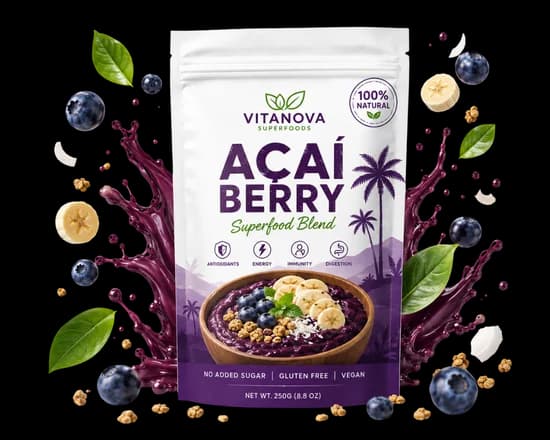
The design expectations for New York retail are consistently among the highest in the US. Packaging competing in Selfridges-equivalent environments, specialty food, luxury wellness, flagship brand retail, must deliver premium substrate choices as the minimum bar: soft-touch lamination, spot UV accents, embossed type, or structural differentiation. Generic packaging design reliably underperforms in New York's premium retail channels, where shelf presence is a direct competitive differentiator and brand identity is scrutinized by some of the world's most sophisticated buyers.
United States Packaging Regulations Relevant to Your New York Brand
FDA rules remain the foundation: 21 CFR Part 101 governs food labeling (Nutrition Facts, ingredient declarations, and claims), Part 111 sets the manufacturing practice dietary supplements must follow when they're manufactured, packaged, labeled, and held, and Parts 700-701 cover cosmetic labeling, including ingredient panels and required warnings. The 2022 Modernization of Cosmetics Regulation Act (MoCRA) added new obligations for beauty clients: facilities had to register with the FDA and list products by December 29, 2023 (renewing every two years), and since December 29, 2024 every cosmetic label must carry a US domestic address, phone number, or URL for the 'Responsible Person'; a further MoCRA rule on fragrance-allergen disclosure is still pending, with a proposed rule expected in 2026. Food packaging has to track the FASTER Act, which made sesame the ninth federally recognized major allergen from January 1, 2023, and the USDA National Organic Program, which reserves the USDA seal for products at least 95% organic and requires a 'certified organic by ___' statement. For the full regulatory picture for your product category, see our United States packaging market guide.
Working with Awais Khadim for New York Brands
Awais Khadim delivers packaging and label design for brands across the United States market, including New York-based clients. What this means practically:
- Regulation-aware files: United States packaging requirements, mandatory declarations, language compliance, and product-category-specific standards, are built into the source file from brief stage.
- Print-ready output: Dielines, CMYK artwork, Pantone colour specifications, and PDF/X-1a or PDF/X-4 exports for New York print suppliers.
- $ pricing: All projects quoted in USD with clear scope and revision specifications.
- Service categories: Product packaging, label and sticker design, box and pouch packaging, brand identity systems.
View packaging portfolio → | Start a project →
Frequently Asked Questions
Does my cosmetics label need a Responsible Person address for New York retail?
Yes, for all US retail including New York, the MoCRA Responsible Person address, phone, or URL is legally required on cosmetic labels since December 29, 2024. New York City itself has additional Local Law 55 packaging reduction requirements for large retailers, but these affect the retailer's procurement choices rather than individual product label content.
What makes packaging competitive in New York's retail environment?
New York is one of the most visually competitive retail markets in the world. Packaging sold in Whole Foods Tribeca, Eataly, Saks, or independent Williamsburg boutiques competes alongside globally recognised premium brands. Bold shelf presence, premium substrate choices (soft-touch lamination, spot UV, embossing), and clear hierarchy are the minimum bar. Generic or template-designed packaging consistently underperforms in New York retail.
Are there specific New York State packaging regulations beyond federal requirements?
New York State has an active packaging EPR (Extended Producer Responsibility) bill moving through the legislature, it has not yet passed as of July 2026 but is expected to introduce producer fees on packaging sold in the state. Brands planning multi-year packaging investments should monitor this. Prop 65 (California) does not apply in New York, but New York has its own consumer protection laws that affect certain claims on packaging.
Content accurate as of July 2026. Regulatory requirements change, always verify current requirements with a qualified local compliance advisor before finalizing production files.


 Chat on WhatsApp