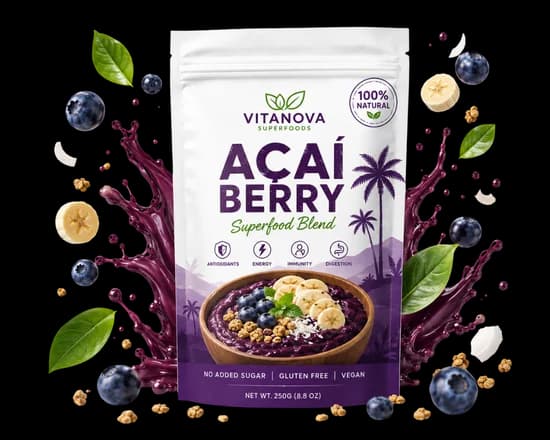
Australia's AUD 33.8 billion e-commerce market concentrates design demand in Sydney and Melbourne, the country's two largest creative-agency hubs, while Brisbane, Perth and Adelaide serve mining, energy and wine-region clients respectively. The Barossa Valley, Hunter Valley and Margaret River wine regions, home to producers like Treasury Wine Estates (owner of Penfolds) and Casella Family Brands (maker of Yellow Tail, which alone accounts for roughly a quarter of all bottled Australian wine exports), generate a steady stream of label design work that prizes provenance storytelling and premium print finishing over generic shelf-standout colour. A complementary medicines sector worth roughly AUD 5.5 billion and led by Blackmores and Swisse adds a second specialised niche, since TGA-regulated listed medicines must balance mandated regulatory information (AUST L numbers, active-ingredient prominence) against premium wellness branding. Australia's geographic distance from major manufacturing hubs and comparatively high domestic labour costs mean local brands lean on design partners who already understand FSANZ and TGA compliance rather than adapting imported templates, making regulatory fluency a genuine commercial differentiator for packaging designers working in this market.
Key Industries Driving Packaging Demand in Australia
Wine and craft spirits (Treasury Wine Estates/Penfolds, Casella Family Brands/Yellow Tail), natural food and complementary medicines (Blackmores, Swisse), mining and resources (BHP, Rio Tinto, Fortescue), agri-food export, and e-commerce retail (Woolworths, Coles, Amazon Australia).
Packaging Regulations in Australia
Food Standards Australia New Zealand (FSANZ) enforces the Food Standards Code: Standard 1.2.1 sets the baseline requirement that label information be clear and in English, Standard 1.2.4 governs the ingredient list and its descending-order-by-weight rule, Standard 1.2.3 mandates the plain-English allergen 'contains' statement following the Plain English Allergen Labelling (PEAL) reforms that became fully mandatory for all packaged food from February 2026, and Standard 1.2.8 (not 1.2.1, a common misattribution) prescribes the seven-nutrient Nutrition Information Panel. The Country of Origin Food Labelling Information Standard 2016, made under the Australian Consumer Law and enforced by the ACCC, requires the registered kangaroo-in-triangle logo plus a proportional bar chart on qualifying Australian-made and Australian-grown food packaging. Therapeutic goods packaging is regulated separately by the Therapeutic Goods Administration (TGA): Therapeutic Goods Order No. 92 sets label standards for non-prescription medicines, including listed complementary medicines, while TGO 91 covers prescription products, and every entry on the Australian Register of Therapeutic Goods (ARTG) must display its AUST L, AUST L(A) or AUST R number on the front of pack. Poison-scheduled ingredients in medicines, cosmetics or household products must additionally meet the labelling and container provisions of the Poisons Standard (SUSMP). Cosmetic ingredients are regulated as industrial chemicals by AICIS (Australian Industrial Chemicals Introduction Scheme), while cosmetic label content, ingredient-list format (INCI, descending order) and marketing claims fall under the ACCC's Australian Consumer Law powers.
What Print-Ready Files Look Like for Australia Distribution
All Awais Khadim deliverables for Australia clients include:
- Dielines and cut files: Every structural format, labels, cartons, pouches, mailer boxes, includes the dieline or cut path alongside the artwork file.
- CMYK-configured artwork: Set up for offset, flexographic, or digital print as appropriate to the project and print supplier.
- Pantone specifications: Brand colours specified in both the Pantone C/U variant (for ink specification) and CMYK (for digital proofing and suppliers without Pantone capability).
- Print-ready PDF: PDF/X-1a or PDF/X-4, with all fonts embedded and bleed and crop marks correctly set.
- $ pricing: All projects quoted in AUD, with clear scope and revision round specifications included.
- Language-compliant source files: Text layers are editable in the source files and configured for Australia's mandatory label language requirements, copy updates, new regulatory statements, or bilingual text additions can be made without rebuilding the design.
View packaging portfolio → | Start a project →
Working with Awais Khadim for Australia Brands
Awais Khadim has delivered packaging, label design, and brand identity for brands across the Australia market and the wider region. What this means practically:
- Regulation-aware files: Label requirements, mandatory declarations, and compliance-specific typography are built into the source file at brief stage, not retrofitted at the end.
- Print-ready output: All deliverables include dielines, CMYK-configured artwork, Pantone colour specifications, and PDF/X-1a or PDF/X-4 print-ready exports.
- $ pricing and transparent quotes: All projects are quoted in AUD with clear scope, revision rounds, and file format specifications included.
- Service categories: Product packaging (food, supplements, cosmetics, e-commerce), label and sticker design, box and pouch packaging, brand identity systems.
View packaging portfolio → | Start a project →
Frequently Asked Questions
What is FSANZ and what does it regulate for packaging?
Food Standards Australia New Zealand (FSANZ) develops the Australia New Zealand Food Standards Code, which applies in both countries. The Code covers mandatory food labeling requirements including ingredient lists, nutrition information panels, allergen declarations, date marking, country of origin labeling, and Standard of Identity statements for regulated food categories. FSANZ standards are enforced by state and territory food authorities in Australia.
What are Australia's country of origin labeling requirements?
Australia's Country of Origin Food Labelling Information Standard (CoOL) requires a kangaroo-logo bar chart showing what percentage of the product is Australian-made and how much of the ingredients are Australian. The standard applies to most packaged food sold in Australia. For imported foods, a 'Product of [country]' or 'Made in [country] from [local/imported] ingredients' statement is required depending on origin composition. CoOL is an Australia-only requirement, it does not apply in New Zealand under the same framework.
Does Australia have specific allergen labeling requirements?
Yes. FSANZ Standard 1.2.3 requires declarations for: peanuts, tree nuts, milk, eggs, wheat (gluten-containing cereals), soy, fish, shellfish, sesame, and lupin. These must be declared in the ingredient list and may be accompanied by a 'Contains [allergen]' statement. From 2024, lupin was added as a priority allergen. Australia's allergen list differs from both the US (which includes sesame from 2023 under the FASTER Act) and EU (no lupin equivalent) in some categories.
Content accurate as of July 2026. Regulatory requirements change, always verify current requirements with a qualified local compliance advisor before finalizing production files.


 Chat on WhatsApp