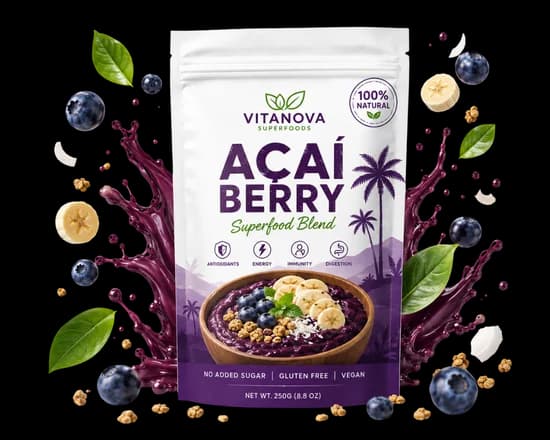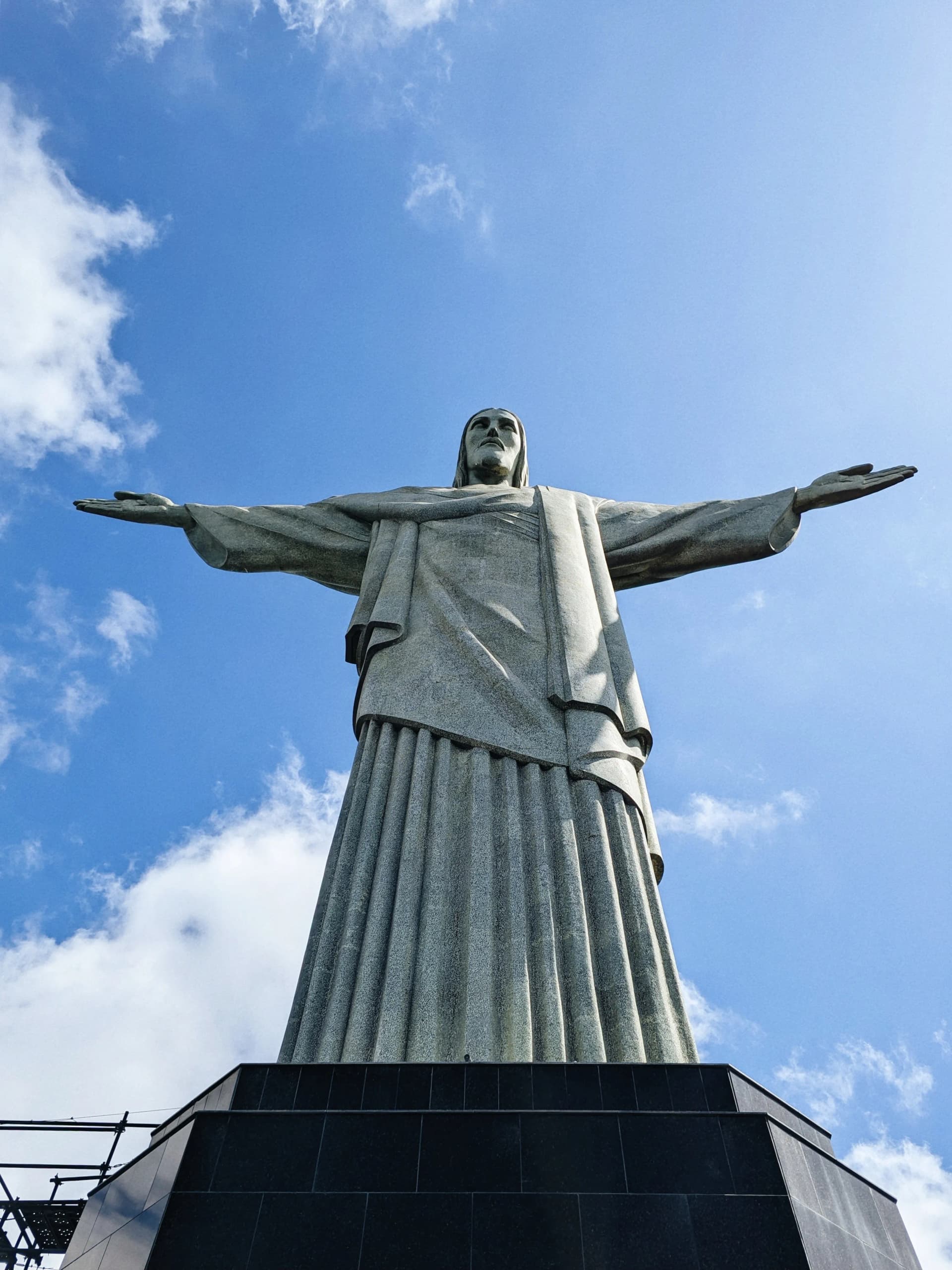
Brazil's roughly 215 million-person consumer market, Latin America's largest, requires ANVISA-compliant Portuguese-language packaging, mandatory front-of-pack nutritional labelling under RDC 429/2020, and Mercosur-compatible design for sub-regional exports from São Paulo and Rio de Janeiro brands. Coffee remains Brazil's signature agri-export: the country supplies almost 37% of world coffee production and in 2025 exported roughly 10.8 billion kilograms worth close to USD 60 billion, about 71% of global coffee export value. In cosmetics, Curitiba-headquartered O Boticário is the world's largest perfumery and cosmetics franchise network by store count (over 4,000 outlets, more than 3,700 in Brazil), while São Paulo-based Natura, which sold luxury brand Aesop to L'Oréal in 2023 and divested Avon International in a deal closing December 2025, remains a bellwether for how quickly Brazilian cosmetics packaging must evolve alongside corporate portfolio shifts.
Key Industries Driving Packaging Demand in Brazil
Agri-food export (almost 37% of world coffee production; also soy, beef and orange juice), pharmaceutical manufacturing, cosmetics (Natura, O Boticário, the world's largest perfumery franchise network), automotive, and e-commerce (accelerated by Pix instant payments, used in roughly 44% of online transactions).
Packaging Regulations in Brazil
ANVISA (Agência Nacional de Vigilância Sanitária) governs food, pharmaceutical and cosmetic labelling. RDC 429/2020 and Normative Instruction 75/2020 mandate front-of-pack 'lupa' (magnifying-glass) warning labels for foods and beverages high in added sugar, sodium or saturated fat; the base deadline was October 2022 for most products, with an extended October 2025 deadline for beverages in returnable/reusable packaging. Enforcement of these deadlines has repeatedly been contested in Brazilian federal courts, so designers should verify current compliance dates rather than assume a fixed cutover. All labels must be in Portuguese. Cosmetics, personal-hygiene products and perfumes are governed by RDC 907/2024 (effective September 2024), which consolidated and replaced RDC 752/2022, RDC 841/2023 and Article 13 of RDC 814/2023 under a risk-based Grade 1/Grade 2 classification system.
What Print-Ready Files Look Like for Brazil Distribution
All Awais Khadim deliverables for Brazil clients include:
- Dielines and cut files: Every structural format, labels, cartons, pouches, mailer boxes, includes the dieline or cut path alongside the artwork file.
- CMYK-configured artwork: Set up for offset, flexographic, or digital print as appropriate to the project and print supplier.
- Pantone specifications: Brand colours specified in both the Pantone C/U variant (for ink specification) and CMYK (for digital proofing and suppliers without Pantone capability).
- Print-ready PDF: PDF/X-1a or PDF/X-4, with all fonts embedded and bleed and crop marks correctly set.
- R$ pricing: All projects quoted in BRL, with clear scope and revision round specifications included.
- Language-compliant source files: Text layers are editable in the source files and configured for Brazil's mandatory label language requirements, copy updates, new regulatory statements, or bilingual text additions can be made without rebuilding the design.
View packaging portfolio → | Start a project →
Working with Awais Khadim for Brazil Brands
Awais Khadim has delivered packaging, label design, and brand identity for brands across the Brazil market and the wider region. What this means practically:
- Regulation-aware files: Label requirements, mandatory declarations, and compliance-specific typography are built into the source file at brief stage, not retrofitted at the end.
- Print-ready output: All deliverables include dielines, CMYK-configured artwork, Pantone colour specifications, and PDF/X-1a or PDF/X-4 print-ready exports.
- R$ pricing and transparent quotes: All projects are quoted in BRL with clear scope, revision rounds, and file format specifications included.
- Service categories: Product packaging (food, supplements, cosmetics, e-commerce), label and sticker design, box and pouch packaging, brand identity systems.
View packaging portfolio → | Start a project →
Frequently Asked Questions
What labeling or regulatory requirements should I know about for the Brazil market?
ANVISA (Agência Nacional de Vigilância Sanitária) governs food, pharmaceutical and cosmetic labelling. RDC 429/2020 and Normative Instruction 75/2020 mandate front-of-pack 'lupa' (magnifying-glass) warning labels for foods and beverages high in added sugar, sodium or saturated fat; the base deadline was October 2022 for most products, with an extended October 2025 deadline for beverages in returnable/reusable packaging. For your specific product category, always verify current requirements with a local compliance specialist before finalising label copy or production files.
Does working with an international designer affect regulatory compliance for Brazil?
No, label compliance is about the content of the deliverable files, not the designer's location. Awais Khadim produces print-ready source files with editable text layers, correctly structured for your product category's mandatory declarations. You (or your local importer or distributor) supply the specific regulatory text, which is integrated into the design and production files before print.
How are projects priced for Brazil clients?
Projects for Brazil clients are quoted in BRL. Awais Khadim provides upfront transparent quotes covering design scope, revision rounds, and all file format deliverables. International payment is accepted via Wise, Payoneer, PayPal, and standard bank transfer. All deliverables, source files, print-ready PDFs, dielines, are supplied digitally, so there are no shipping costs or delivery delays.
Content accurate as of July 2026. Regulatory requirements change, always verify current requirements with a qualified local compliance advisor before finalizing production files.

 Chat on WhatsApp