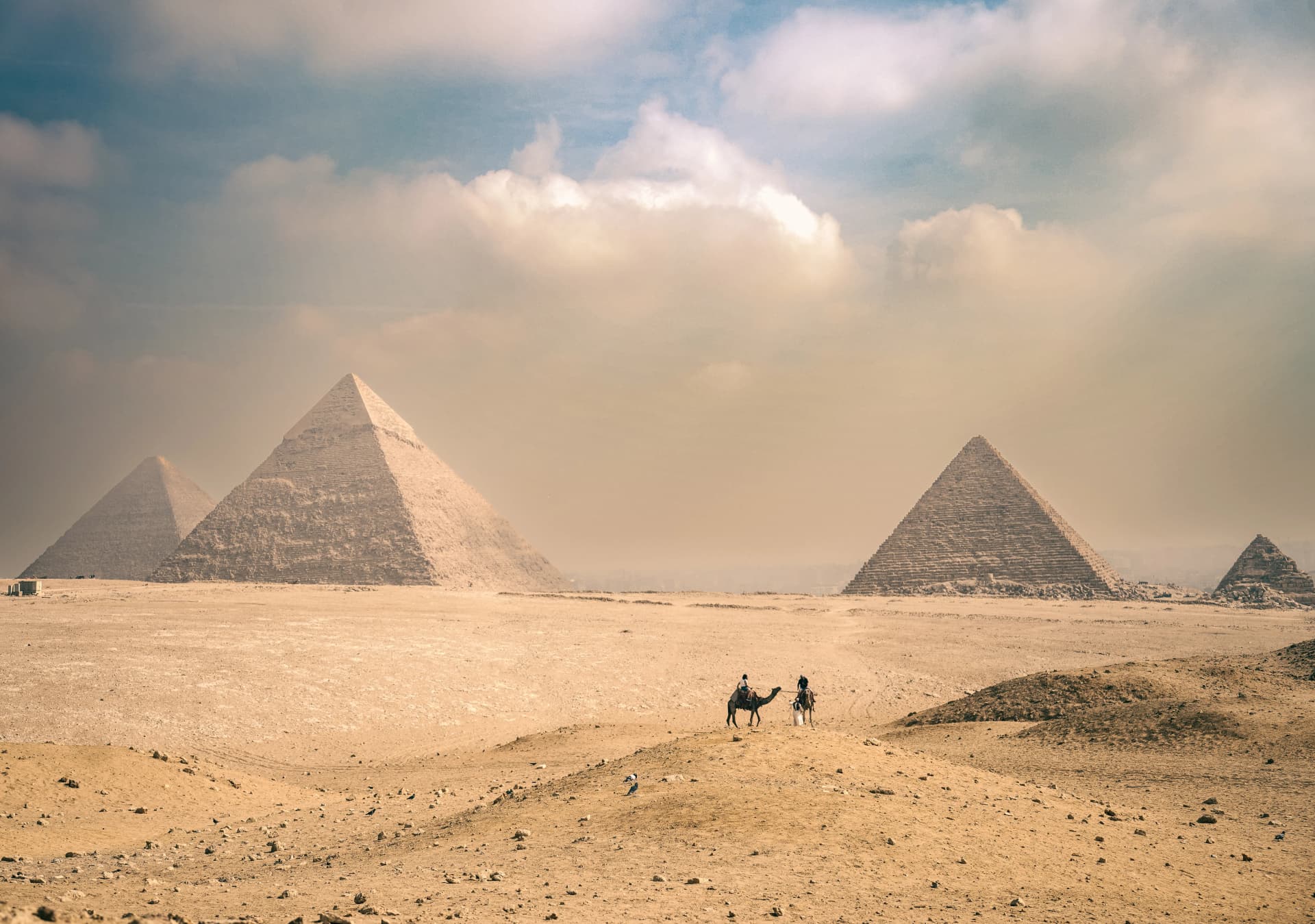
Egypt's consumer market, over 109 million people inside the country per CAPMAS's 2026 population count, and Cairo's position as the Arab world's most populous city make Arabic-language packaging with Halal certification and GOEIC conformity marks a critical requirement for FMCG brands targeting both domestic retail and North African and Gulf export channels. The Suez Canal, which posted a roughly 23% full-year revenue rise to about $4.67 billion in FY2025/26 as Red Sea shipping traffic recovered, continues to position Egypt as a transshipment and re-export hub. Egypt's halal-certification regime is also being actively restructured: since March 2025 the government has exempted imported milk and dairy products from mandatory halal certification, and from 1 February 2026 the General Organization for Veterinary Services (GOVS) requires imported meat and poultry to carry certification specifically from Halal – ALQAHIRAH (the rebranded former ISEG Halal).
Key Industries Driving Packaging Demand in Egypt
FMCG (Nestlé Egypt, Unilever Egypt), pharmaceutical manufacturing (regulated by the Egyptian Drug Authority), textiles and garments, tourism, and Suez Canal shipping and logistics services.
Packaging Regulations in Egypt
GOEIC (General Organization for Export and Import Control) mandates product conformity certification for imports; all food labels must be in Arabic, and finished goods must show the manufacturer's name, product description, country of origin, and, for plastic packaging, a recycling code. EOS (Egyptian Organization for Standardization and Quality) sets the ES national standards referenced in conformity assessment. Pharmaceutical products are regulated by the Egyptian Drug Authority (EDA), created under Law No. 151 of 2019 and operational since February 2021; the EDA absorbed the former Central Administration of Pharmaceutical Affairs (CAPA) as one of three subordinate bodies rather than replacing it outright, CAPA continues to handle medicine registration, pricing, and facility inspection under the EDA umbrella. Halal certification for meat and poultry imports must come from the GOVS-approved body Halal – ALQAHIRAH as of 1 February 2026; dairy imports have been exempted from halal certification requirements since March 2025.
What Print-Ready Files Look Like for Egypt Distribution
All Awais Khadim deliverables for Egypt clients include:
- Dielines and cut files: Every structural format, labels, cartons, pouches, mailer boxes, includes the dieline or cut path alongside the artwork file.
- CMYK-configured artwork: Set up for offset, flexographic, or digital print as appropriate to the project and print supplier.
- Pantone specifications: Brand colours specified in both the Pantone C/U variant (for ink specification) and CMYK (for digital proofing and suppliers without Pantone capability).
- Print-ready PDF: PDF/X-1a or PDF/X-4, with all fonts embedded and bleed and crop marks correctly set.
- £ pricing: All projects quoted in EGP, with clear scope and revision round specifications included.
- Language-compliant source files: Text layers are editable in the source files and configured for Egypt's mandatory label language requirements, copy updates, new regulatory statements, or bilingual text additions can be made without rebuilding the design.
View packaging portfolio → | Start a project →
Working with Awais Khadim for Egypt Brands
Awais Khadim has delivered packaging, label design, and brand identity for brands across the Egypt market and the wider region. What this means practically:
- Regulation-aware files: Label requirements, mandatory declarations, and compliance-specific typography are built into the source file at brief stage, not retrofitted at the end.
- Print-ready output: All deliverables include dielines, CMYK-configured artwork, Pantone colour specifications, and PDF/X-1a or PDF/X-4 print-ready exports.
- £ pricing and transparent quotes: All projects are quoted in EGP with clear scope, revision rounds, and file format specifications included.
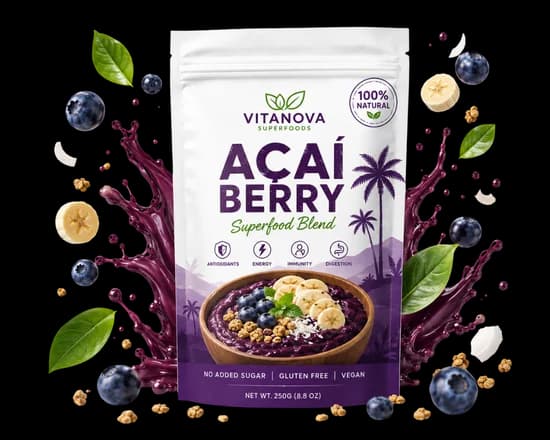
- Service categories: Product packaging (food, supplements, cosmetics, e-commerce), label and sticker design, box and pouch packaging, brand identity systems.
View packaging portfolio → | Start a project →
Frequently Asked Questions
What labeling or regulatory requirements should I know about for the Egypt market?
GOEIC (General Organization for Export and Import Control) mandates product conformity certification for imports; all food labels must be in Arabic, and finished goods must show the manufacturer's name, product description, country of origin, and, for plastic packaging, a recycling code. EOS (Egyptian Organization for Standardization and Quality) sets the ES national standards referenced in conformity assessment. For your specific product category, always verify current requirements with a local compliance specialist before finalising label copy or production files.
Does working with an international designer affect regulatory compliance for Egypt?
No, label compliance is about the content of the deliverable files, not the designer's location. Awais Khadim produces print-ready source files with editable text layers, correctly structured for your product category's mandatory declarations. You (or your local importer or distributor) supply the specific regulatory text, which is integrated into the design and production files before print.
How are projects priced for Egypt clients?
Projects for Egypt clients are quoted in EGP. Awais Khadim provides upfront transparent quotes covering design scope, revision rounds, and all file format deliverables. International payment is accepted via Wise, Payoneer, PayPal, and standard bank transfer. All deliverables, source files, print-ready PDFs, dielines, are supplied digitally, so there are no shipping costs or delivery delays.
Content accurate as of July 2026. Regulatory requirements change, always verify current requirements with a qualified local compliance advisor before finalizing production files.



 Chat on WhatsApp