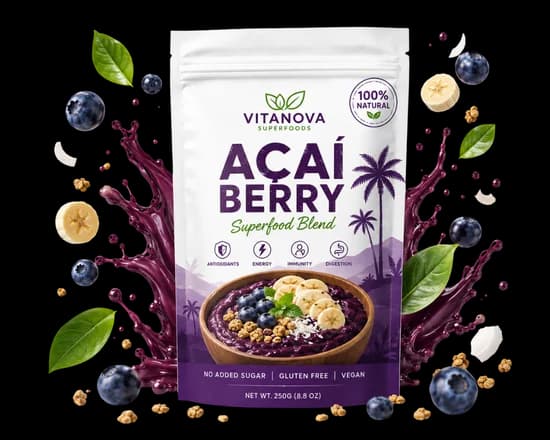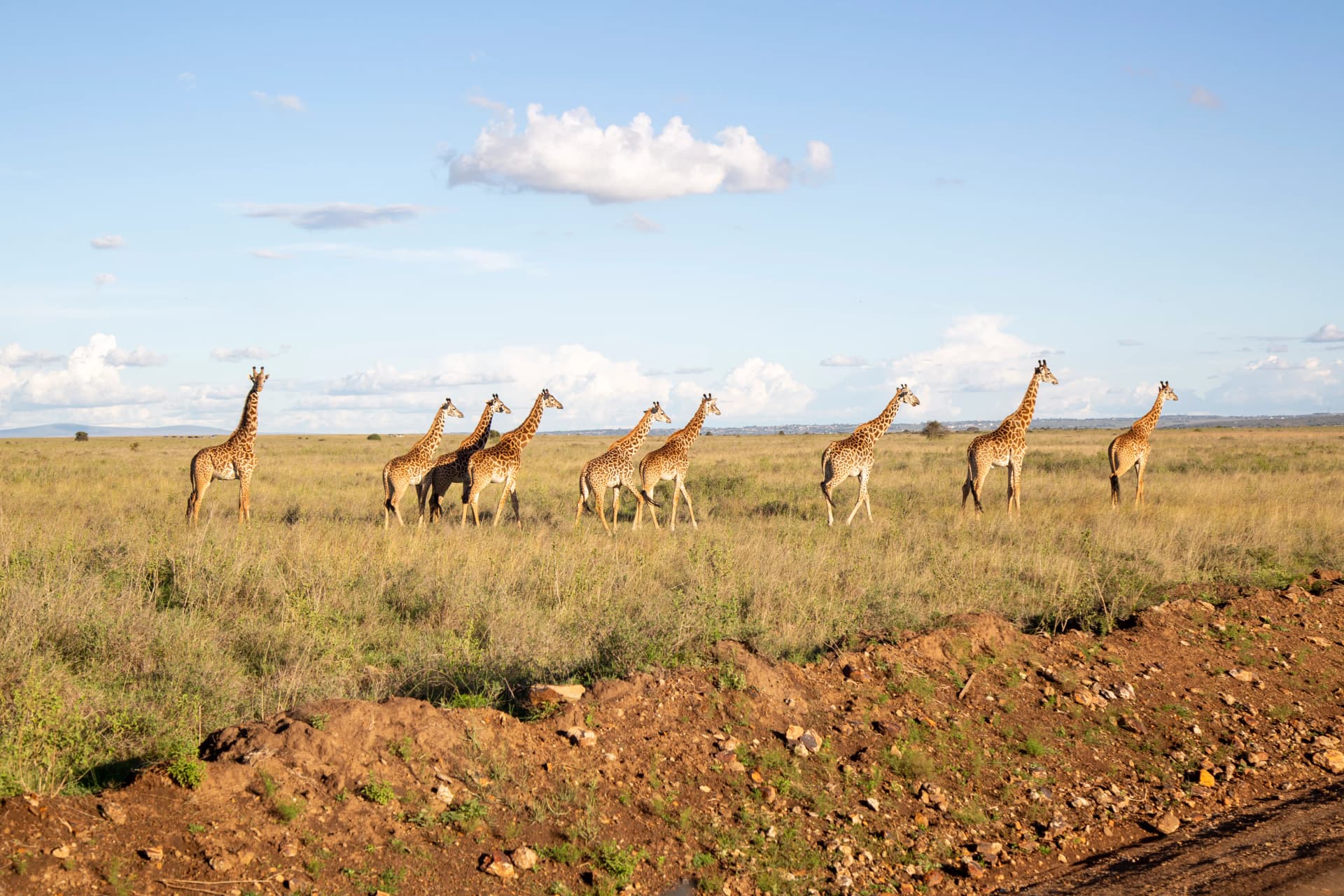
Kenya is East Africa's largest economy and a leading agricultural exporter: coffee, tea, and spices generated $1.7 billion in export earnings in 2024, led by tea as the country's most valuable single commodity; cut flowers and live plants generated $790 million, cementing Kenya's position as the world's third-largest cut flower exporter (after the Netherlands and Colombia). Nairobi hosts a significant pharmaceutical manufacturing cluster, Cosmos Pharmaceuticals, Regal Pharmaceuticals, and several WHO GMP-certified generics producers, that exports to East African Community (EAC) partners and beyond. KEBS (Kenya Bureau of Standards) requires food product labels to be in English and/or Kiswahili, with mandatory declarations of product name, ingredients in descending weight order, net quantity, manufacturer/importer details, country of origin, batch number, and manufacture/expiry dates.
Key Industries Driving Packaging Demand in Kenya
Tea export (world's third-largest; $1.4B+ in 2024 earnings); cut flowers ($790M in 2024; world's third-largest exporter); coffee and specialty horticulture; pharmaceutical manufacturing (PPB-registered GMP producers exporting to EAC); FMCG retail; and fintech/mobile money (Safaricom M-Pesa ecosystem).
Packaging Regulations in Kenya
KEBS (Kenya Bureau of Standards) develops and enforces KS national standards; food products must carry the KEBS Diamond Mark of Quality to confirm standards compliance. Labels must be in English and/or Kiswahili. The Pharmacy and Poisons Board (PPB), operating under the Pharmacy and Poisons Act, is the national pharmaceutical regulatory authority responsible for registration and quality control of all medicines; 'KEBS Batch Release for pharmaceuticals' is not the correct mechanism, PPB handles pharmaceutical market authorisation. EAC harmonised standards apply for intra-regional trade across the six EAC member states. Tea exported to the EU must comply with EU Maximum Residue Limits under Regulation (EC) 396/2005. Fairtrade, UTZ (now part of Rainforest Alliance), and GlobalG.A.P. certifications are commercially expected by EU and UK supermarket buyers for tea and flowers.
What Print-Ready Files Look Like for Kenya Distribution
All Awais Khadim deliverables for Kenya clients include:
- Dielines and cut files: Every structural format, labels, cartons, pouches, mailer boxes, includes the dieline or cut path alongside the artwork file.
- CMYK-configured artwork: Set up for offset, flexographic, or digital print as appropriate to the project and print supplier.
- Pantone specifications: Brand colours specified in both the Pantone C/U variant (for ink specification) and CMYK (for digital proofing and suppliers without Pantone capability).
- Print-ready PDF: PDF/X-1a or PDF/X-4, with all fonts embedded and bleed and crop marks correctly set.
- KSh pricing: All projects quoted in KES, with clear scope and revision round specifications included.
- Language-compliant source files: Text layers are editable in the source files and configured for Kenya's mandatory label language requirements, copy updates, new regulatory statements, or bilingual text additions can be made without rebuilding the design.
View packaging portfolio → | Start a project →
Working with Awais Khadim for Kenya Brands
Awais Khadim has delivered packaging, label design, and brand identity for brands across the Kenya market and the wider region. What this means practically:
- Regulation-aware files: Label requirements, mandatory declarations, and compliance-specific typography are built into the source file at brief stage, not retrofitted at the end.
- Print-ready output: All deliverables include dielines, CMYK-configured artwork, Pantone colour specifications, and PDF/X-1a or PDF/X-4 print-ready exports.
- KSh pricing and transparent quotes: All projects are quoted in KES with clear scope, revision rounds, and file format specifications included.
- Service categories: Product packaging (food, supplements, cosmetics, e-commerce), label and sticker design, box and pouch packaging, brand identity systems.
View packaging portfolio → | Start a project →
Frequently Asked Questions
What labeling or regulatory requirements should I know about for the Kenya market?
KEBS (Kenya Bureau of Standards) develops and enforces KS national standards; food products must carry the KEBS Diamond Mark of Quality to confirm standards compliance. Labels must be in English and/or Kiswahili. For your specific product category, always verify current requirements with a local compliance specialist before finalising label copy or production files.
Does working with an international designer affect regulatory compliance for Kenya?
No, label compliance is about the content of the deliverable files, not the designer's location. Awais Khadim produces print-ready source files with editable text layers, correctly structured for your product category's mandatory declarations. You (or your local importer or distributor) supply the specific regulatory text, which is integrated into the design and production files before print.
How are projects priced for Kenya clients?
Projects for Kenya clients are quoted in KES. Awais Khadim provides upfront transparent quotes covering design scope, revision rounds, and all file format deliverables. International payment is accepted via Wise, Payoneer, PayPal, and standard bank transfer. All deliverables, source files, print-ready PDFs, dielines, are supplied digitally, so there are no shipping costs or delivery delays.
Content accurate as of July 2026. Regulatory requirements change, always verify current requirements with a qualified local compliance advisor before finalizing production files.



 Chat on WhatsApp