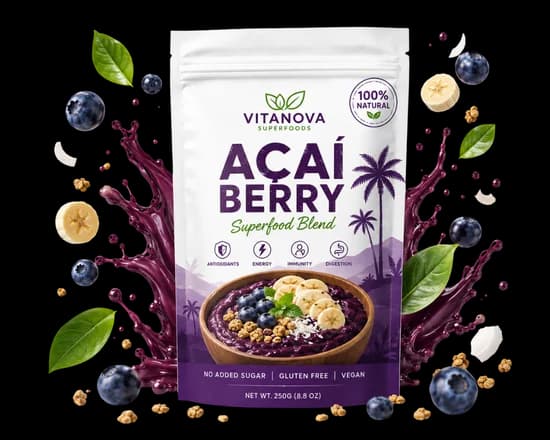
Packaging & Label Design for Brands in DR Congo
The DRC's estimated population of over 100 million makes it the most populous French-speaking country in the world, with Kinshasa ranking among Africa's largest urban agglomerations and functioning as the dominant commercial and retail distribution hub for a territory larger than Western Europe. Despite pervasive extreme poverty, Kinshasa sustains an urban professional and middle-income segment with consistent demand for branded imported FMCG, hygiene, and pharmaceutical products, particularly among households in the extractive-sector supply chain. The DRC accounted for between 67% and 76% of global cobalt production in 2024, approximately 244 kilotonnes, driven by the ramp-up of the Kisanfu and Tenke Fungurume mines; copper output has grown in parallel, with the extractive sector expanding 12.8% in 2024. In April 2025, Kinshasa announced plans to establish strategic stockpiles of cobalt, coltan, and germanium, signalling an intent to exercise greater pricing power over critical minerals. All imports valued above USD 2,500 are subject to BIVAC (Bureau Veritas) pre-shipment inspection on behalf of OCC, with OCC levying an additional 2% conformity fee on FOB value, cost factors that affect landed pricing and that packaging-budget estimates for import projects should account for.
DR Congo Packaging Regulations
The Office Congolais de Contrôle (OCC), an ISO member agency under the Ministry of Commerce, performs quality, quantity, and conformity checks on all imports and exports. For goods valued at USD 2,500 or more, BIVAC (Bureau Veritas) conducts pre-shipment inspection on OCC's behalf at the port of origin; goods below USD 2,500 are exempt. OCC charges 2% of the FOB value of imported goods as a conformity fee. All import documentation, commercial invoices, packing lists, bills of lading, import licences, pro forma invoices, insurance certificates, and certificates of origin, must be submitted in French; English-only documents are rejected. Food imports require phytosanitary certificates (plant-origin) or veterinary certificates (animal-origin) from the country of export. Pharmaceutical products must be registered with the Ministère de la Santé; the LNME (Laboratoire National de Médicaments Essentiels) evaluates essential medicines. GS1-standard barcodes are used for retail distribution; companies establishing a commercial presence must register with ANAPI (Agence Nationale pour la Promotion des Investissements), though ANAPI has no role in import documentation or product-registration processes.
Key Industries in DR Congo
Cobalt mining (67–76% of global supply in 2024, approximately 244 kilotonnes; Kisanfu and Tenke Fungurume mines), copper mining (extractive sector expanded 12.8% in 2024), coltan, artisanal gold and cassiterite, tropical timber, FMCG import distribution centred on Kinshasa, and pharmaceutical import distribution.
Services for DR Congo Clients
Browse the full range of our graphic design services, from labels and boxes to logos, print and digital, all delivered print-ready for brands in DR Congo.
Recent projects
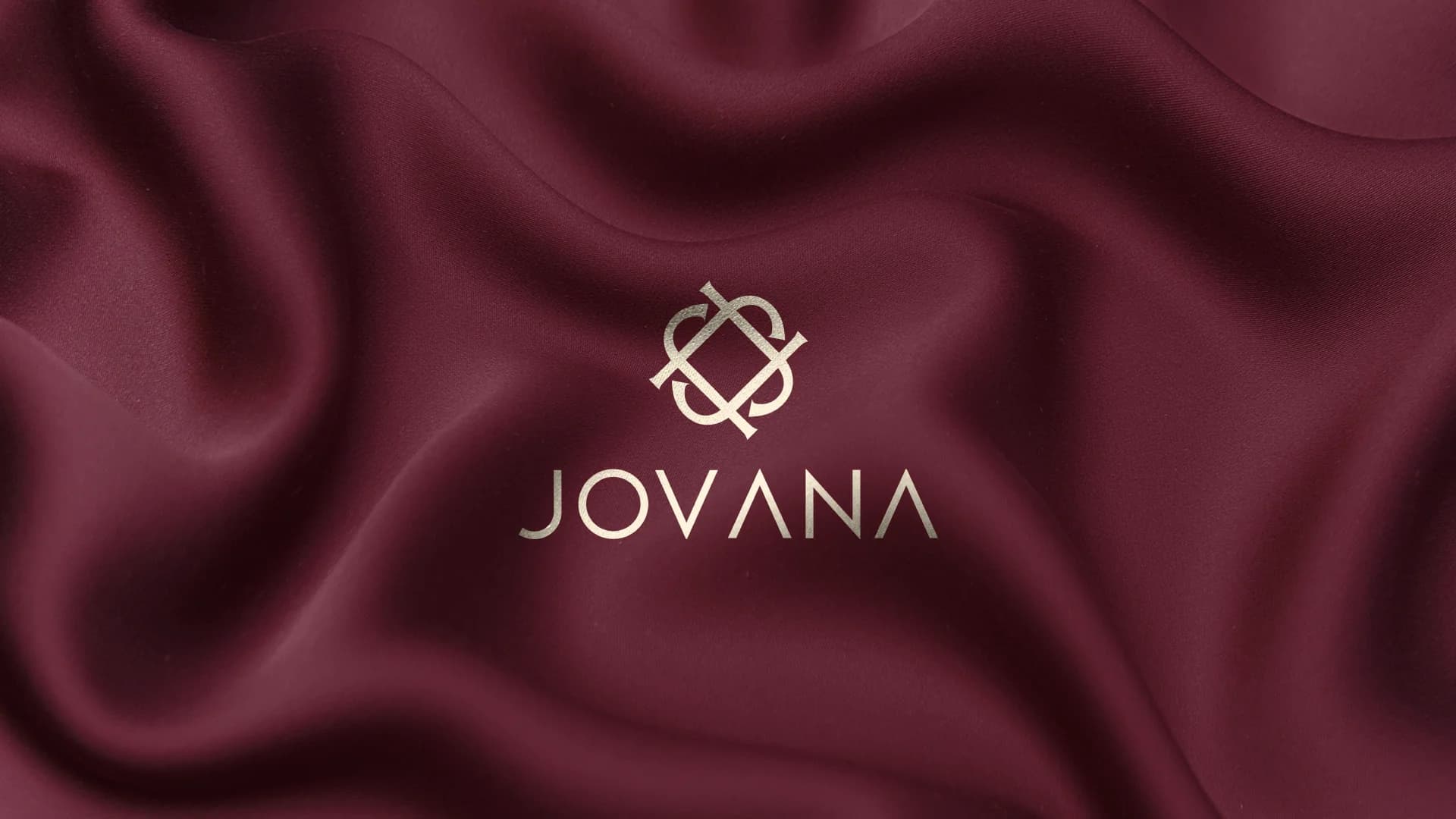
Jovana
Luxury fashion brand identity for Jovana: a burgundy and cream monogram system in English and Arabic. Elegance in Every Thread.

Funchi
Pizza mascot brand identity with character, attitude, and a colour system built for food-court dominance.
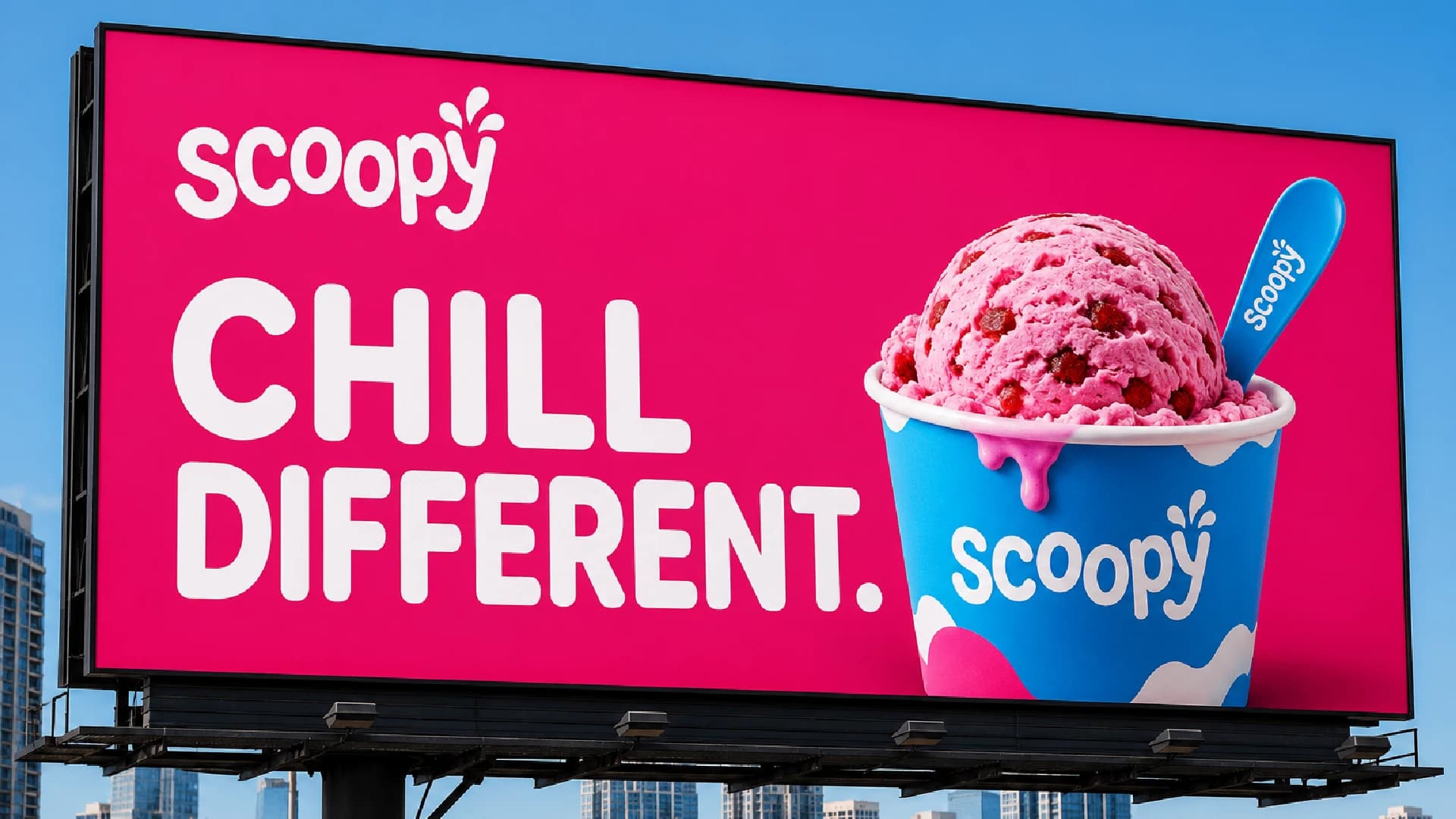
Scoopy
Chill Different — a complete ice cream brand identity from wordmark to billboard that makes Scoopy unmissable.
Start Your Design Project in DR Congo
Free consultation. First draft within 48 business hours of brief approval. Print-ready files guaranteed.
 Chat on WhatsApp




* First draft within 48 business hours · Reply within 4 business hours · Fixed quote within 24 hours