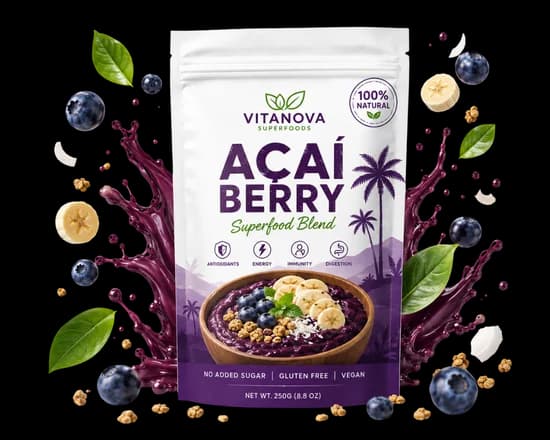
Packaging & Label Design for Brands in Equatorial Guinea
Equatorial Guinea is Sub-Saharan Africa's third-largest crude oil producer and the only Spanish-speaking country on the African continent, with a nominal GDP of USD 12.77 billion in 2024. Hydrocarbons account for approximately 46% of GDP and over 90% of export revenues; the country also holds Sub-Saharan Africa's largest methanol production capacity through the Atlantic Methanol Production Company. ExxonMobil announced its exit from Equatorial Guinea in February 2024, accelerating the structural decline of the oil sector: the economy contracted an estimated 5.4% in 2025 following modest 1.7% growth in 2024. Despite nominal per-capita GDP figures appearing elevated (USD 5,042 nominal; USD 15,454 PPP in 2024), the World Bank estimated 61% of the population living in poverty in 2025, meaning commercially viable FMCG packaging briefs are largely limited to Malabo (Bioko Island capital) and Bata (Río Muni mainland commercial hub), plus products destined for re-export within the six-member CEMAC customs bloc. Spanish dominates commercial and legal practice; French is required for CEMAC regulatory and customs filings; Portuguese was constitutionally added as a third official language in 2010 but does not commonly appear on product packaging.
Equatorial Guinea Packaging Regulations
Three languages hold official status: Spanish (dominant in domestic commerce and legal practice), French (required for CEMAC regional trade and regulatory filings), and Portuguese (official since 2010, rarely appearing on product packaging). Labels for national retail distribution should include Spanish at minimum; full CEMAC regional distribution typically requires French-language content aligned with the bloc's harmonised food safety regulations, which follow Codex Alimentarius standards adapted from French regulatory practice. No domestic food-standards authority operating under the acronym 'SNAGSAP' could be independently verified in current USDA FAIRS reports, CEMAC Commission publications, or US State Department 2025 Investment Climate Statements for Equatorial Guinea, this reference should be confirmed directly with the Ministry of Agriculture and Forests (MAGBP) before inclusion in compliance documentation. Pharmaceutical imports require approval from the Ministry of Health and Social Welfare. Customs duties follow the CEMAC External Common Tariff (Tarif Extérieur Commun, TEC).
Key Industries in Equatorial Guinea
Crude oil and natural gas (46% of GDP, 90%+ of exports; third-largest Sub-Saharan producer), LNG and methanol production (Atlantic Methanol Production Company), tropical timber (okoumé and other hardwoods from Río Muni mainland), Bioko Island cocoa, construction and government infrastructure, and FMCG import distribution serving the Malabo and Bata urban consumer markets.
Services for Equatorial Guinea Clients
Browse the full range of our graphic design services, from labels and boxes to logos, print and digital, all delivered print-ready for brands in Equatorial Guinea.
Recent projects
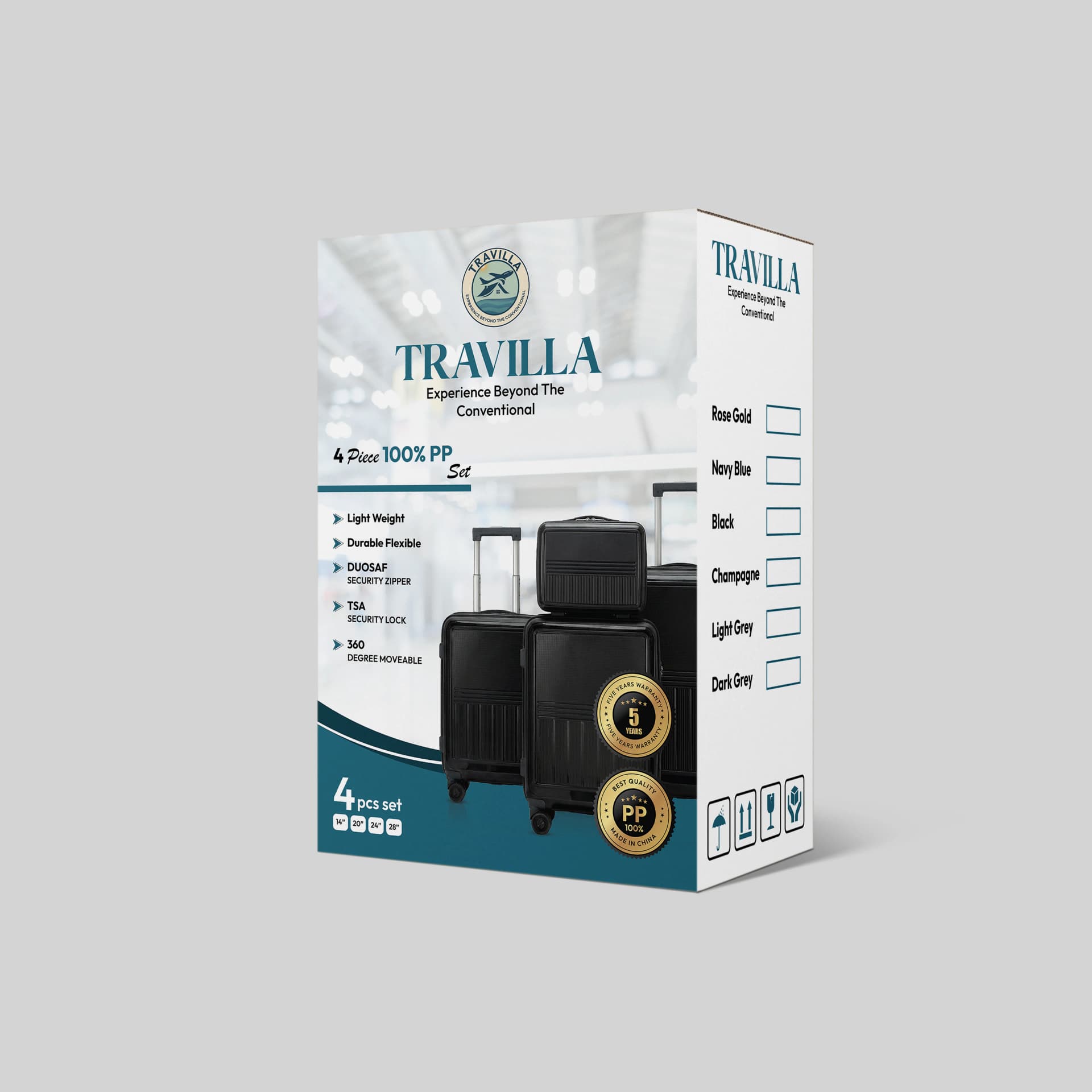
Travilla
4-piece 100% PP luggage set box that makes Experience Beyond The Conventional visible at retail.
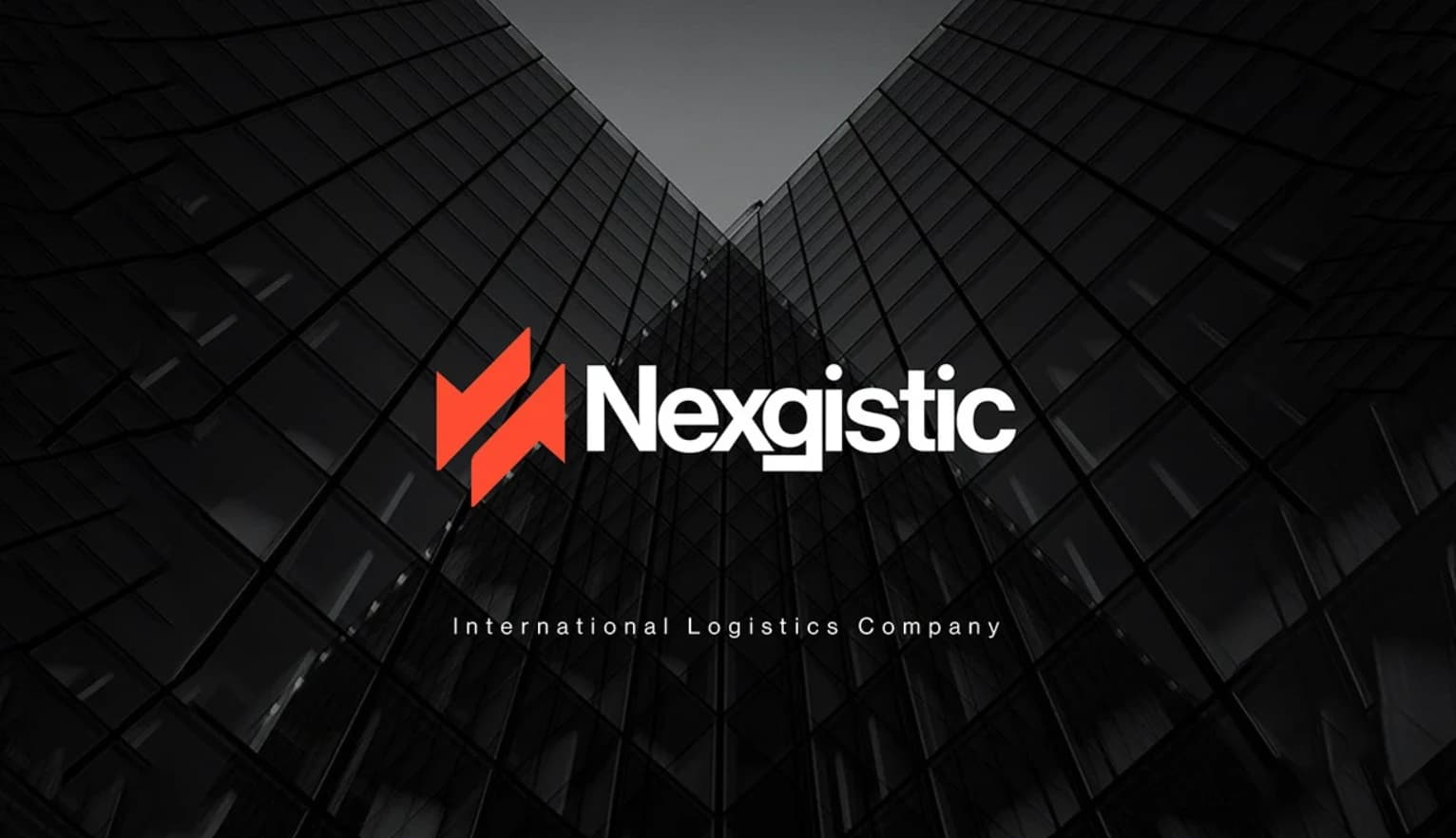
Nexgistic
Brand identity for Nexgistic, an international logistics company: a bold red-orange mark, Neue Haas Grotesk typography and a full set of fleet, stationery and campaign applications.
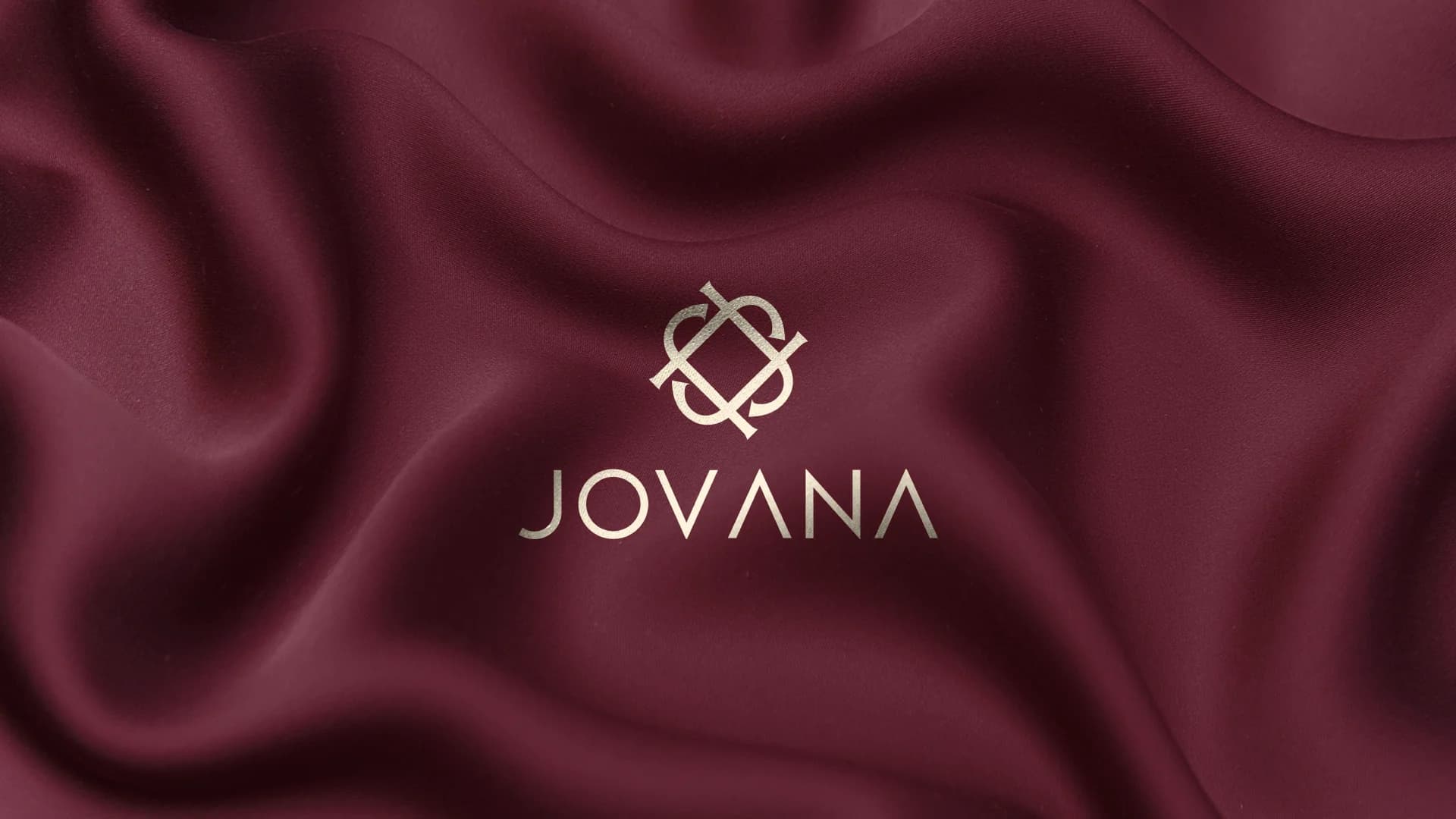
Jovana
Luxury fashion brand identity for Jovana: a burgundy and cream monogram system in English and Arabic. Elegance in Every Thread.
Start Your Design Project in Equatorial Guinea
Free consultation. First draft within 48 business hours of brief approval. Print-ready files guaranteed.
 Chat on WhatsApp




* First draft within 48 business hours · Reply within 4 business hours · Fixed quote within 24 hours