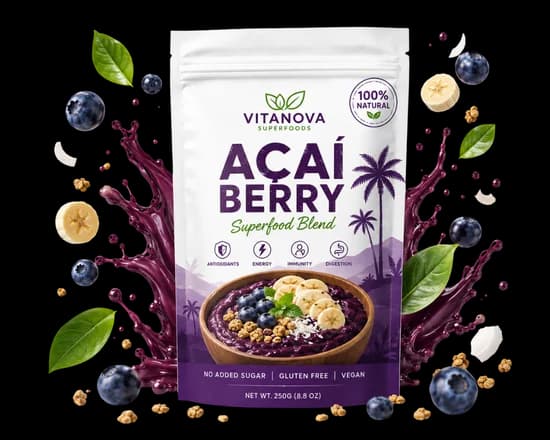
Packaging & Label Design for Brands in Eritrea
Eritrea is one of Africa's most economically restricted markets but operates a functioning national standards and sanitary inspection infrastructure. The Eritrean Standards Institution (ESI), established in 1995 under Proclamation No. 75/1995, is an ISO member body (ISO member code 318778) with its head office in Asmara and branch offices at the ports of Massawa and Assab, and it develops product standards aligned with international norms. Mining is the dominant export sector: the Bisha polymetallic mine, with Zijin Mining holding a 55% interest and state-owned ENAMCO the remaining 45%, produced 121,400 tonnes of zinc, 20,000 tonnes of copper, and 65 tonnes of silver in 2024, accounting for approximately 20% of GDP and over 90% of export revenues. Consumer goods enter primarily via Massawa Seaport on the Red Sea and Assab Seaport, with secondary flows through Asmara International Airport and the Teseney land crossing from Sudan. The Asmara retail market reflects the country's Italian colonial heritage (espresso culture, pasta, canned goods are mainstream staples) alongside Tigrinya and Arabic-speaking consumer preferences. In December 2024, the Ministry of Agriculture convened the first national food safety conference, attended by thirteen government departments including the ESI, signalling early-stage formalisation of food safety governance.
Eritrea Packaging Regulations
The Eritrean Standards Institution (ESI), established by Proclamation No. 75/1995 and an active ISO member, is responsible for national product standardisation and quality certification, with oversight authority at the Massawa and Assab port entry points. The Ministry of Agriculture's Regulatory Services Department oversees phytosanitary and sanitary certification for agricultural and food imports, providing quarantine inspection at four official entry points: Asmara International Airport, Massawa Seaport, Assab Seaport, and the Teseney land border. Pharmaceutical imports require approval from the Ministry of Health. Tigrinya is the primary working language of domestic commerce; Arabic has official co-status and is used in commercial contexts across the Muslim-majority Lowland population and in trade with Sudan and Djibouti. No publicly documented GHS chemical labelling framework or Codex Alimentarius-aligned food labelling regulation has been formally enacted; brands should engage ESI directly via its Asmara office for product-specific conformity assessment requirements.
Key Industries in Eritrea
Mining (Bisha mine polymetallic: zinc, copper, silver; Zijin Mining 55%, ENAMCO 45%; 90%+ of exports), agriculture (sorghum, millet, barley, teff; smallholder predominant), Red Sea fisheries (Massawa and Assab grounds), construction materials manufacturing, and small-scale food and beverage processing for the Asmara domestic market.
Services for Eritrea Clients
Browse the full range of our graphic design services, from labels and boxes to logos, print and digital, all delivered print-ready for brands in Eritrea.
Recent projects
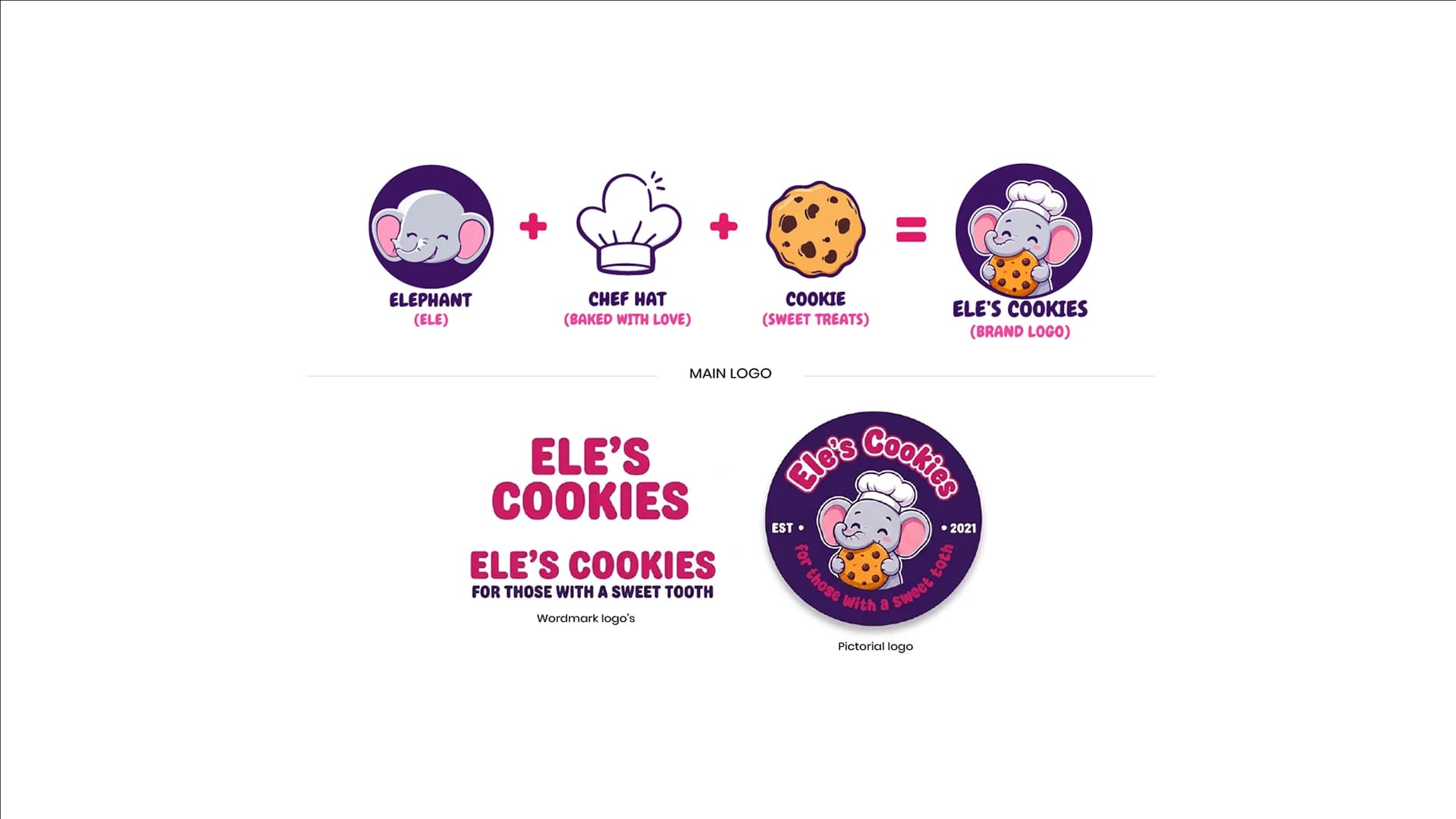
Ele's Cookies
Elephant chef mascot logo that gives Ele's Cookies an irresistible personality across every brand touchpoint.
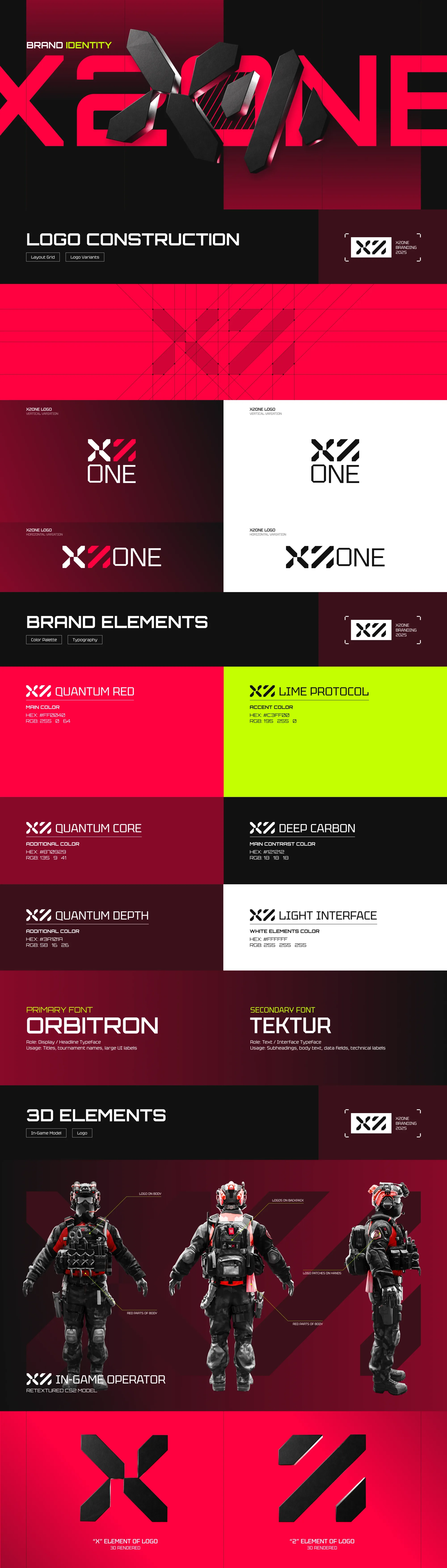
X2ONE
Gaming brand identity in red, black, and lime that signals dominance in the esports arena.
Med Art Clinics
Bilingual healthcare logo that bridges trust and modernity across Arabic and English markets.
Start Your Design Project in Eritrea
Free consultation. First draft within 48 business hours of brief approval. Print-ready files guaranteed.
 Chat on WhatsApp




* First draft within 48 business hours · Reply within 4 business hours · Fixed quote within 24 hours