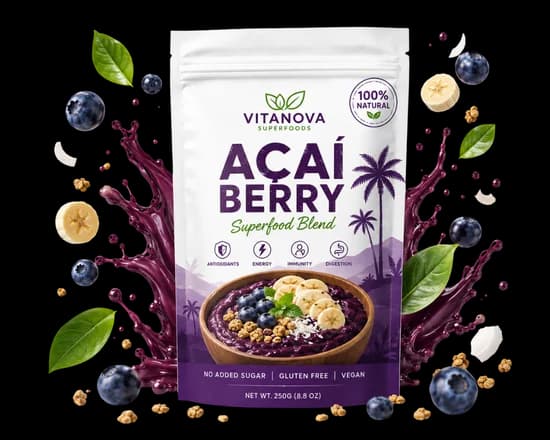
Rotterdam hosts Europe's largest port and serves as the continent's primary logistics gateway for goods arriving from Asia, the Americas, and Africa, handling approximately 14% of all EU seaborne imports. The city's economy is structurally oriented around logistics, trade, and distribution, and its packaging market reflects this: import/export-compliant packaging, destination-market labeling compliance, and container-freight-optimized structural specifications are the dominant design requirements for Rotterdam-based clients across wholesale, distribution, and FMCG sectors.
All consumer goods entering the EU through Rotterdam must meet EU-level packaging and labeling standards enforced by Dutch Customs (Douane Nederland) at the point of entry. Food imports require Dutch-language EU FIC 1169/2011 mandatory information for Dutch market distribution, ingredient lists, allergen declarations, Nutrition Facts in EU format, and manufacturer or EU importer address. Distribution clients operating through Rotterdam's port and bonded warehousing, Albert Heijn, Jumbo, and major FMCG distributors, require packaging configured to GS1 barcode standards (EAN-13 for retail units, GS1-128 for shipping cases) and SSCC (Serial Shipping Container Code) labeling on pallets for automated warehouse receiving. EU PPWR applies from August 2026, and statiegeld deposit marking is required for covered beverage containers.
Rotterdam's import gateway function makes label compliance a supply chain risk, not just a regulatory formality: non-compliant labels at the point of entry result in detention or refusal by Dutch Customs, creating costly delays and potential destruction of shipments. Brands manufacturing outside the EU and distributing through Rotterdam must maintain an EU Importer of Record address on product labels, a UK, US, or Asian manufacturer address alone is not sufficient for EU retail distribution. Rotterdam's status as Europe's busiest port means brands distributing through the city routinely need packaging that simultaneously satisfies multiple destination-market requirements across the EU's 27 member states.
Netherlands Packaging Regulations Relevant to Your Rotterdam Brand
As an EU member state, the Netherlands applies EU law directly rather than through separate domestic transposition. The Food Information to Consumers Regulation (EU) 1169/2011 governs nutrition and allergen labelling, and the Cosmetics Regulation (EC) 1223/2009 governs cosmetic ingredient and claims labelling; the NVWA (Nederlandse Voedsel- en Warenautoriteit, the Netherlands Food and Consumer Product Safety Authority) enforces both domestically. The most consequential recent change for packaging design is the EU Packaging and Packaging Waste Regulation (Regulation (EU) 2025/40, 'PPWR'), which entered into force on 11 February 2025 and applies from 12 August 2026, replacing the old Packaging and Packaging Waste Directive with directly binding rules on recyclability, minimum recycled content, and restrictions on unnecessary packaging formats. For the full regulatory picture for your product category, see our Netherlands packaging market guide.
Working with Awais Khadim for Rotterdam Brands
Awais Khadim delivers packaging and label design for brands across the Netherlands market, including Rotterdam-based clients. What this means practically:
- Regulation-aware files: Netherlands packaging requirements, mandatory declarations, language compliance, and product-category-specific standards, are built into the source file from brief stage.
- Print-ready output: Dielines, CMYK artwork, Pantone colour specifications, and PDF/X-1a or PDF/X-4 exports for Rotterdam print suppliers.
- € pricing: All projects quoted in EUR with clear scope and revision specifications.
- Service categories: Product packaging, label and sticker design, box and pouch packaging, brand identity systems.
View packaging portfolio → | Start a project →
Frequently Asked Questions
What import packaging requirements apply to goods distributed through Rotterdam?
Rotterdam handles approximately 14% of all EU seaborne imports. All consumer goods entering the EU through Rotterdam must meet EU-level packaging and labeling standards: EU FIC 1169/2011 for food (including Dutch-language mandatory information for Dutch market distribution), EU Regulation 1223/2009 for cosmetics, CLP labeling for chemical products, and CE marking for regulated product categories. Rotterdam's customs authority (Douane Nederland) inspects for labeling compliance at the point of entry for non-EU goods.
What packaging standards do Rotterdam's logistics and distribution clients require?
Distribution clients operating through Rotterdam's port and bonded warehousing (including Albert Heijn, Jumbo, and national grocery distributors) require packaging that meets European pallet dimensions, GS1 barcode standards (EAN-13 or GTIN for products, GS1-128 for shipping units), and SSCC (Serial Shipping Container Code) labeling on pallets. Packaging for Rotterdam distribution chains must be configured for high-volume automated warehouse scanning and not just for retail shelf readability.
Does FrieslandCampina's Rotterdam presence affect packaging demand in the city?
FrieslandCampina is headquartered in Amersfoort, not Rotterdam, but the broader Dutch dairy and food processing sector uses Rotterdam's port for import and export. Rotterdam-based food brands and distributors regularly commission packaging that must meet both Dutch domestic (Dutch-language EU FIC) and export-market (multilingual EU, or destination-country non-EU) requirements simultaneously, a common brief for the port city's trading-focused client base.
Content accurate as of July 2026. Regulatory requirements change, always verify current requirements with a qualified local compliance advisor before finalizing production files.



 Chat on WhatsApp